
Daffodilightful
"Daffodils,/That come before the swallow dares, and take/The winds of March with beauty...“ -Wm Shakespeare

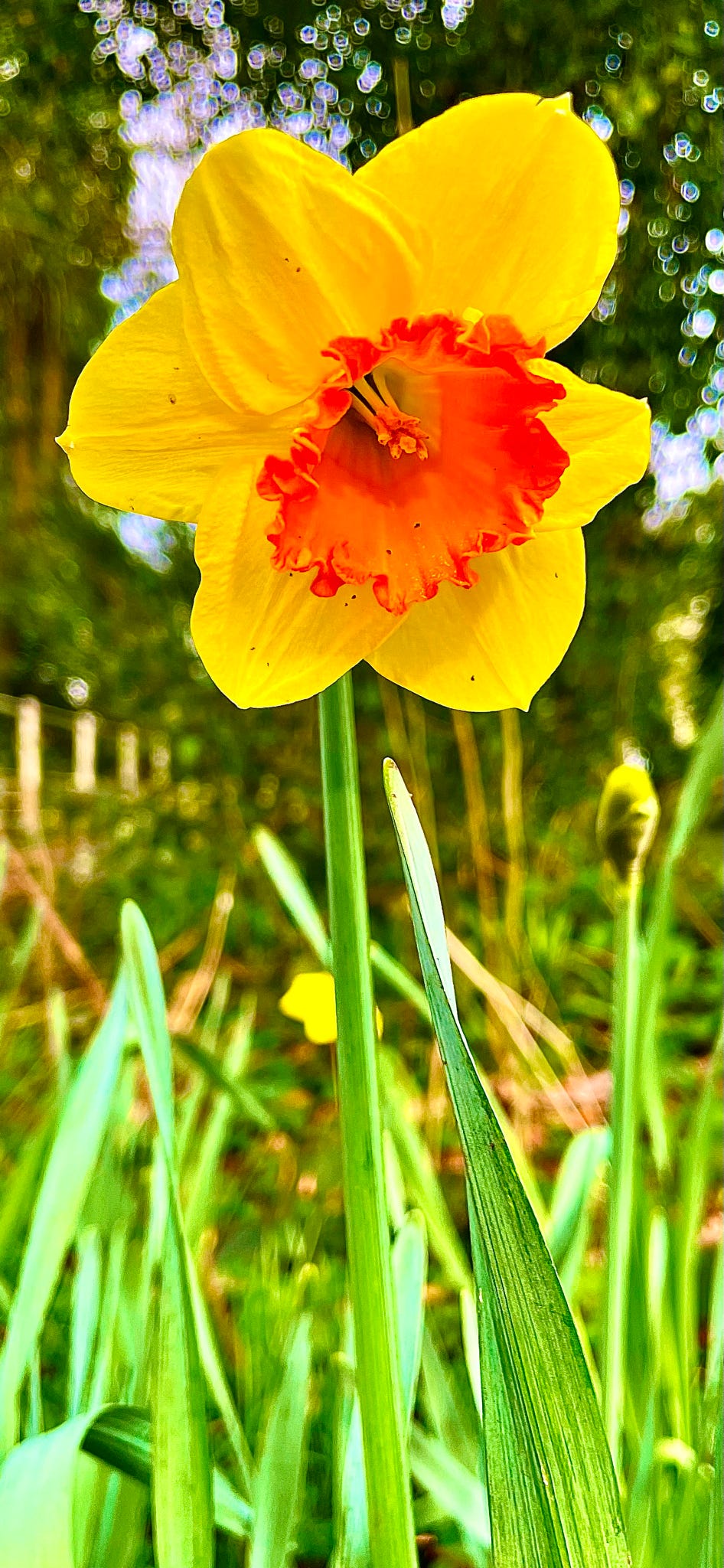
While I was in Alaska, in the midst of one of the coldest, longest and snowiest winters on record, a friend scarpered to Hawaii. I encouraged her to post photos on social media so I could enjoy the beaches and sunshine vicariously. But she was reluctant, afraid her good fortune in escaping would only make those of us left behind feel worse. I’m similarly hesitant to publish pictures of the glorious daffodils now in bloom here in England. However, my hope is that they’ll provide a brief respite and get-away for any of my readers still in the throes of cold and snow. (I feel you, Fairbanksans and East Coasters.)
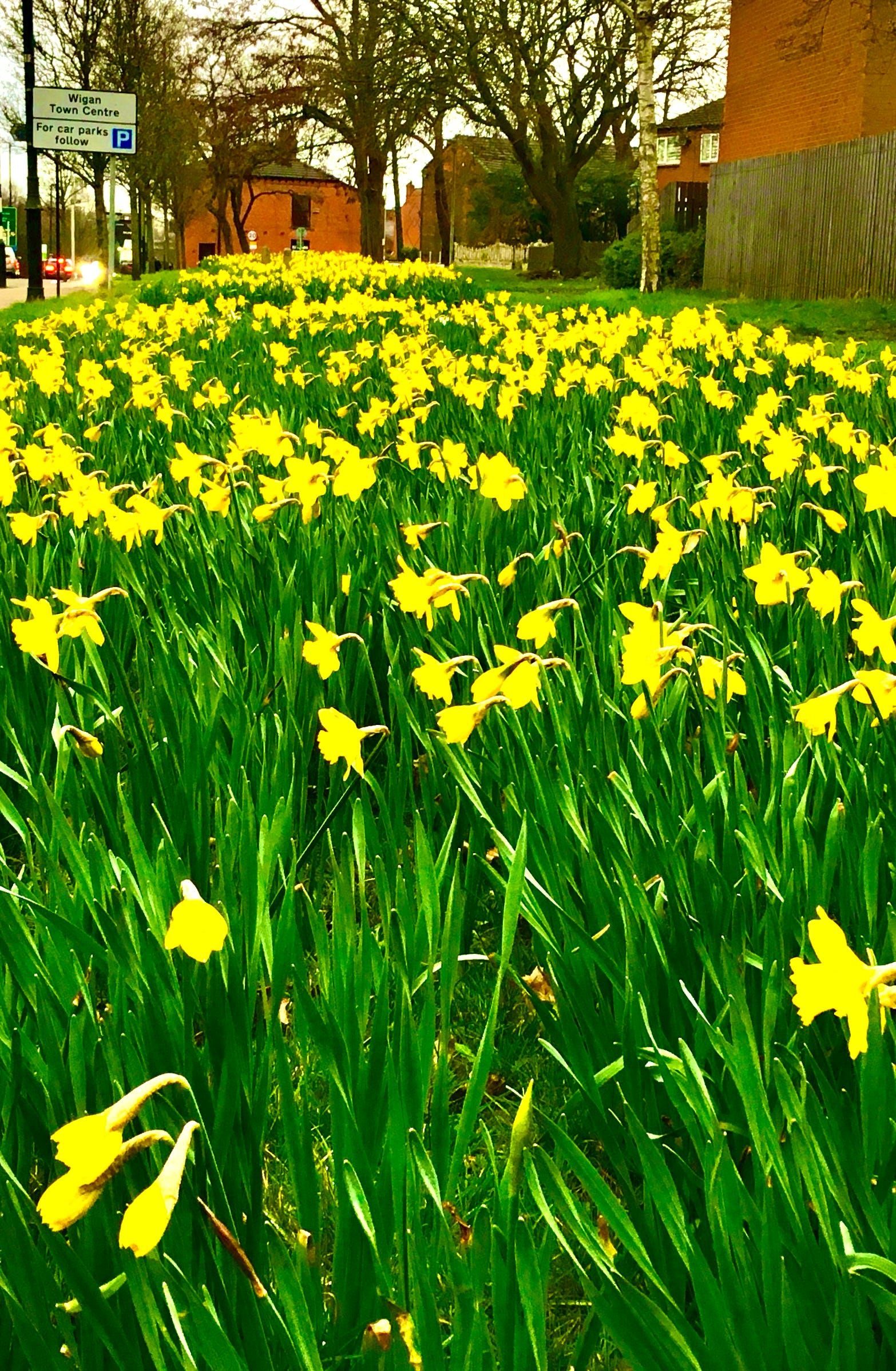
Daffodils have inspired writers, poets and artists through the centuries. A favorite flower among the Romantic poets, they were immortalized by William Wordsworth in his poem “Daffodils,” one of the most famous poems in the English language.
“I wandered lonely as a cloud
That floats on high o’er vales and hills,
When all at once I saw a crowd,
A host, of golden daffodils;
Beside the lake, beneath the trees,
Fluttering and dancing in the breeze.
Continuous as the stars that shine
And twinkle on the milky way,
They stretched in never-ending line
Along the margin of a bay:
Ten thousand saw I at a glance,
Tossing their heads in sprightly dance.
The waves beside them danced; but they
Out-did the sparkling waves in glee:
A poet could not but be gay,
In such a jocund company:
I gazed—and gazed—but little thought
What wealth the show to me had brought:
For oft, when on my couch I lie
In vacant or in pensive mood,
They flash upon that inward eye
Which is the bliss of solitude;
And then my heart with pleasure fills,
And dances with the daffodils.”
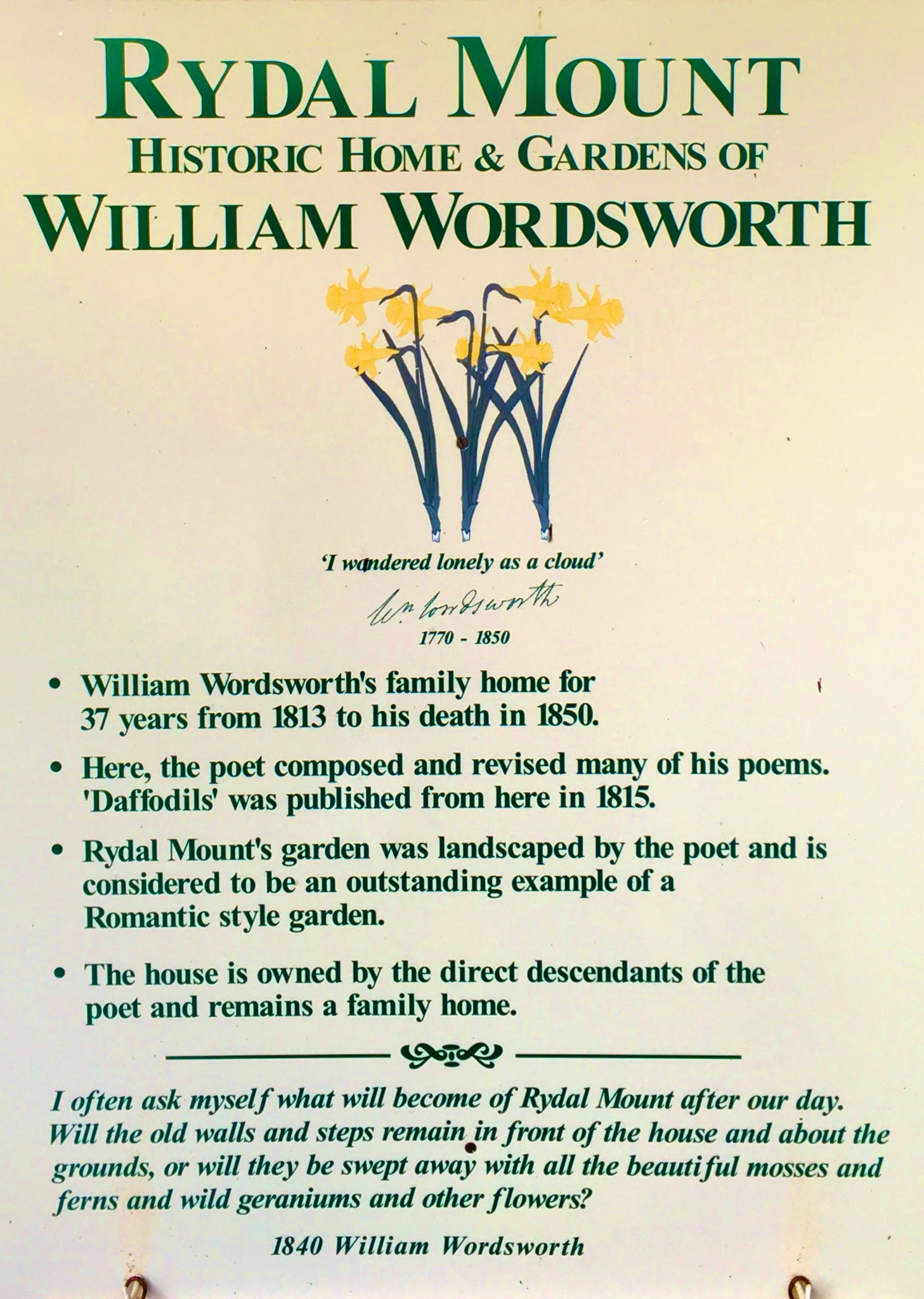
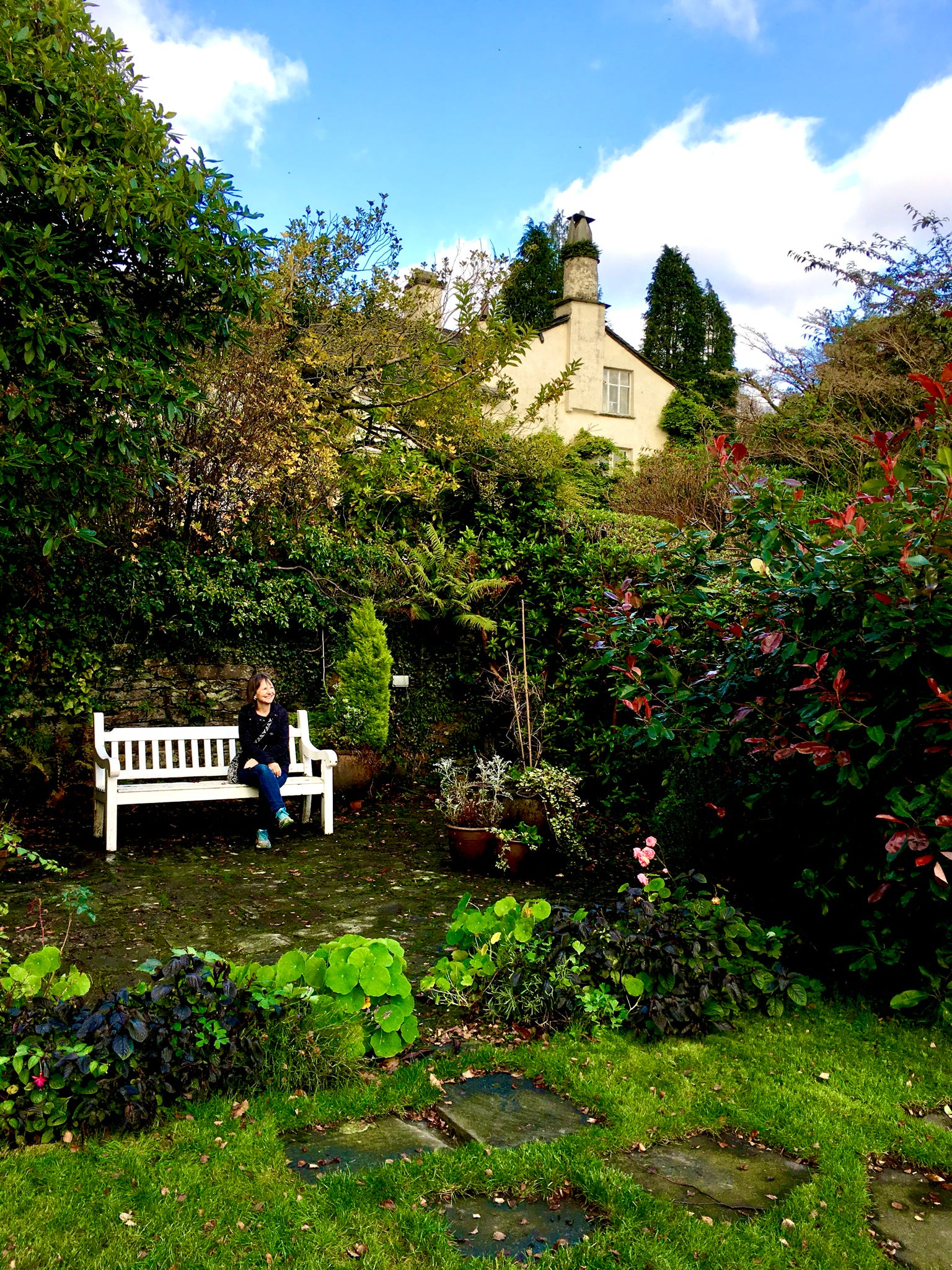
We visited Wordsworth’s home in the Lake District of Cumbria one November when, sadly, the daffodils had bloomed and gone. Idyllic and inspiring nonetheless, we learned about the field of daffodils he planted for his daughter, Dora. On her death, although both parents were 77 years old at the time, they personally planted the field with daffodils as a living memorial to their daughter. Each year these have multiplied and now provide a display of many thousands each spring. I always thought Will had employed poetic license to exaggerate the 10,000 daffodils he saw at a glance. But having lived in England for 9 years and seen the incredible natural abundance of these flowers, I know it to be true.
~ In the gardens of Rydal Mount with Wordsworth’s home behind me:
The botanical name for the daffodil is Narcissus, found in the Amaryllis family. Amaryllis, which comes from Greek mythology, means “to sparkle.” The name Narcissus also links the flower to the Greek myth about the youth, known for his beauty, who fell in love with his own reflection and wasted away by the pool edge, ultimately turning into the radiant daffodil.
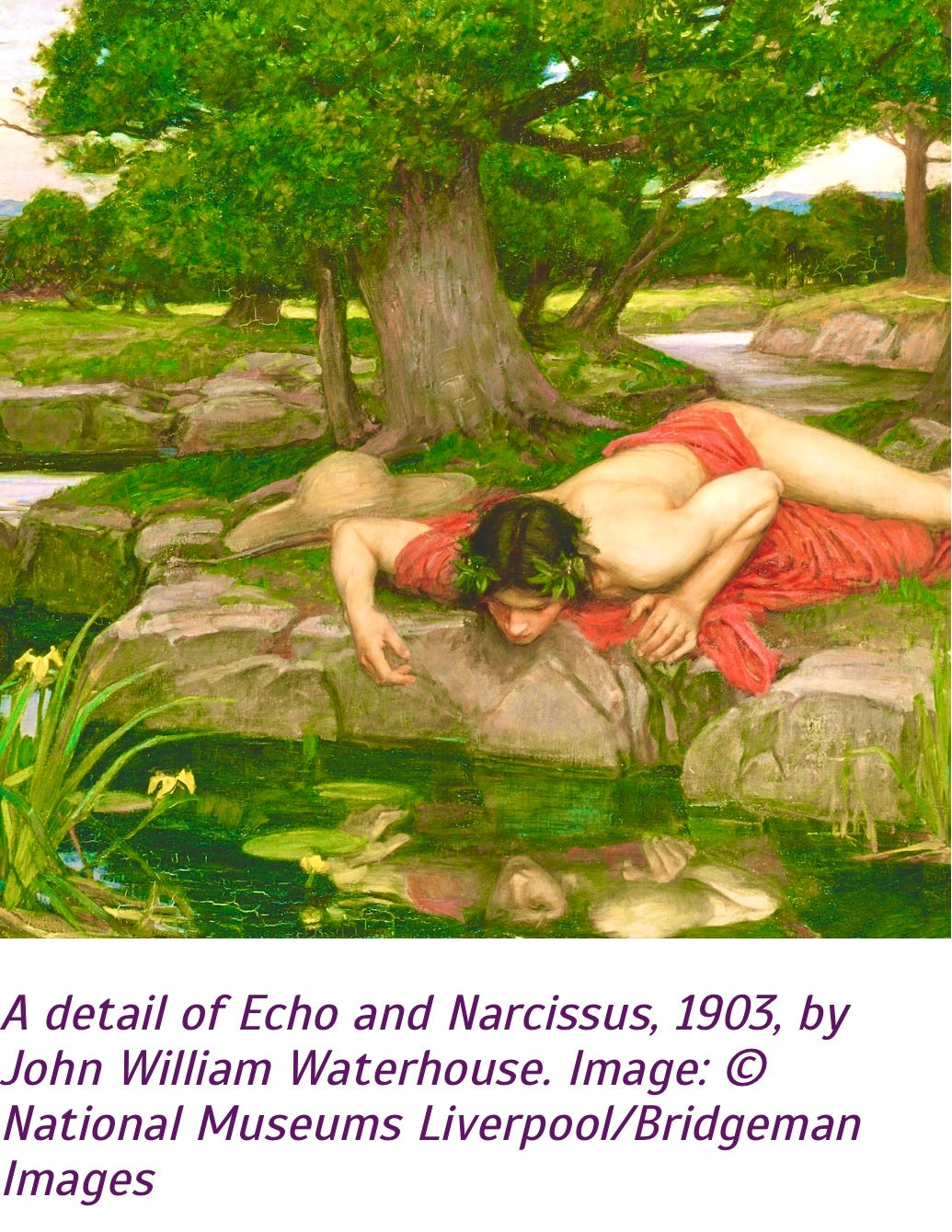
The drooping flowers that characterise most daffodils are said to represent Narcissus bending over to catch his reflection in a pool of water.
The name derives from the Greek ‘narco’, which is the root of the word narcotic. The etymology probably relates to the daffodil’s toxicity – all parts of the plant are poisonous.
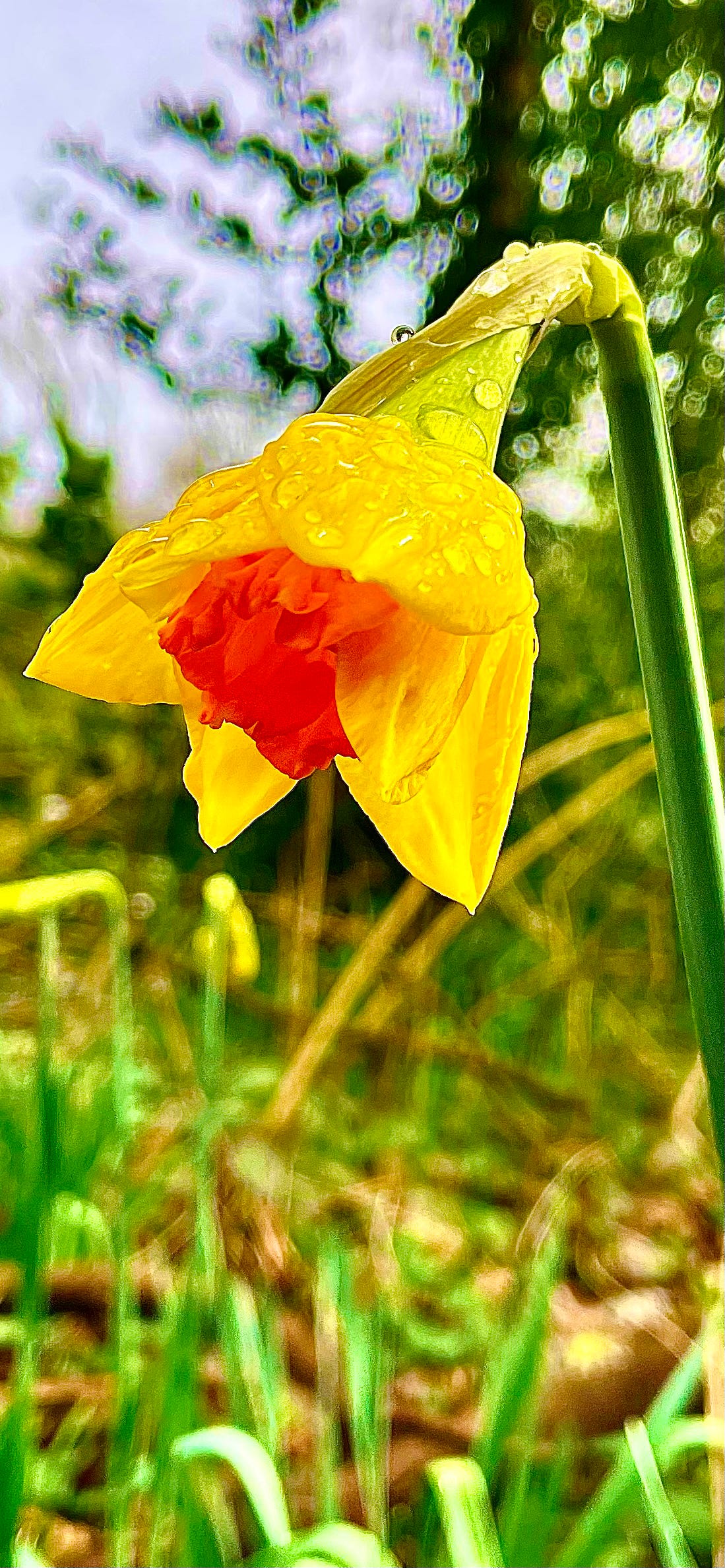
Also known as 'daffodowndilly', 'yellow maiden', 'butter and eggs' and ‘trumpet flower’, daffodils are the flower for the month of March, the astrological flower of Pisces, the national flower of Wales and, because they represent the hope of spring after winter, the symbol for cancer charities around the world.
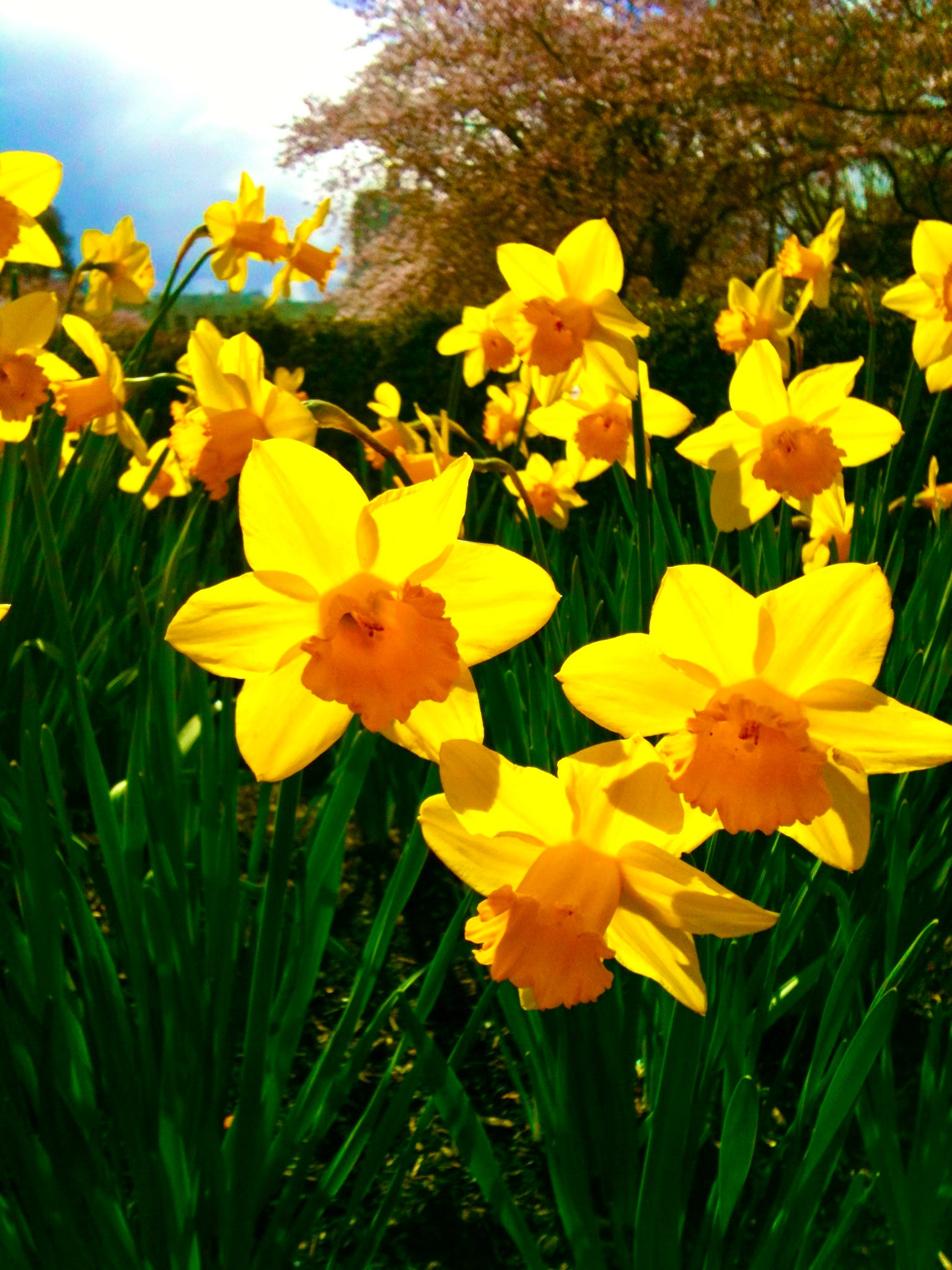
Daffodowndilly by A.A. Milne
She wore her yellow sun-bonnet,
She wore her greenest gown;
She turned to the south wind
And curtsied up and down.
She turned to the sunlight
And shook her yellow head,
And whispered to her neighbour:
“Winter is dead.”
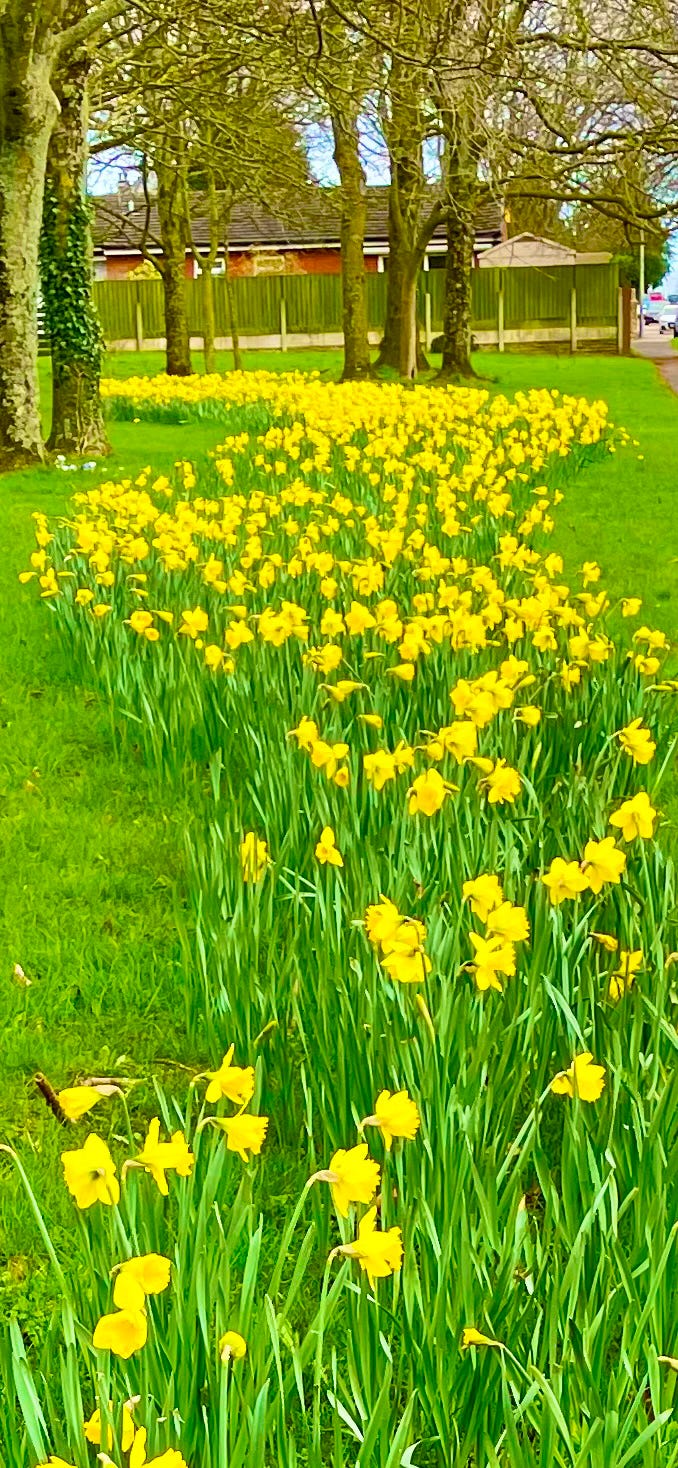
The UK is the world’s largest grower of daffodils having a 95% market share of the world’s supply, of which 78% is grown in Cornwall on some 3,500 acres.
The Isles of Scilly, off the coast of Cornwall on the southwestern-most tip of England are where daffodil production began in 1875. By 1889 almost 200 tons (!) of flowers were being shipped each season, transforming the islands’ economy and their landscape.
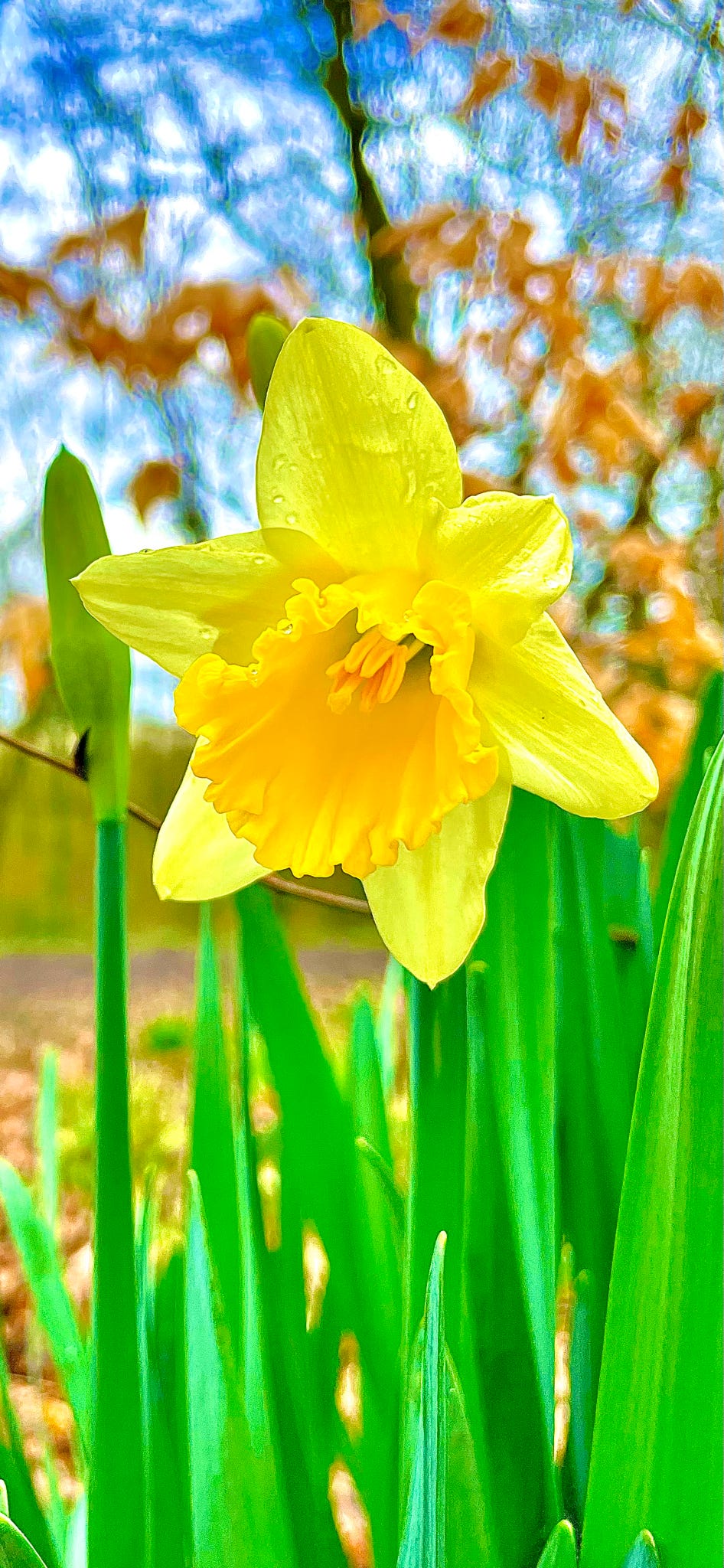
In World War II, when flower production in Cornwall and the Isles of Scilly was threatened, the plucky islanders sent scented narcissi to Winston Churchill, who responded: ‘These people must be enabled to grow their flowers and send them to London – they cheer us up so much in these dark days.’
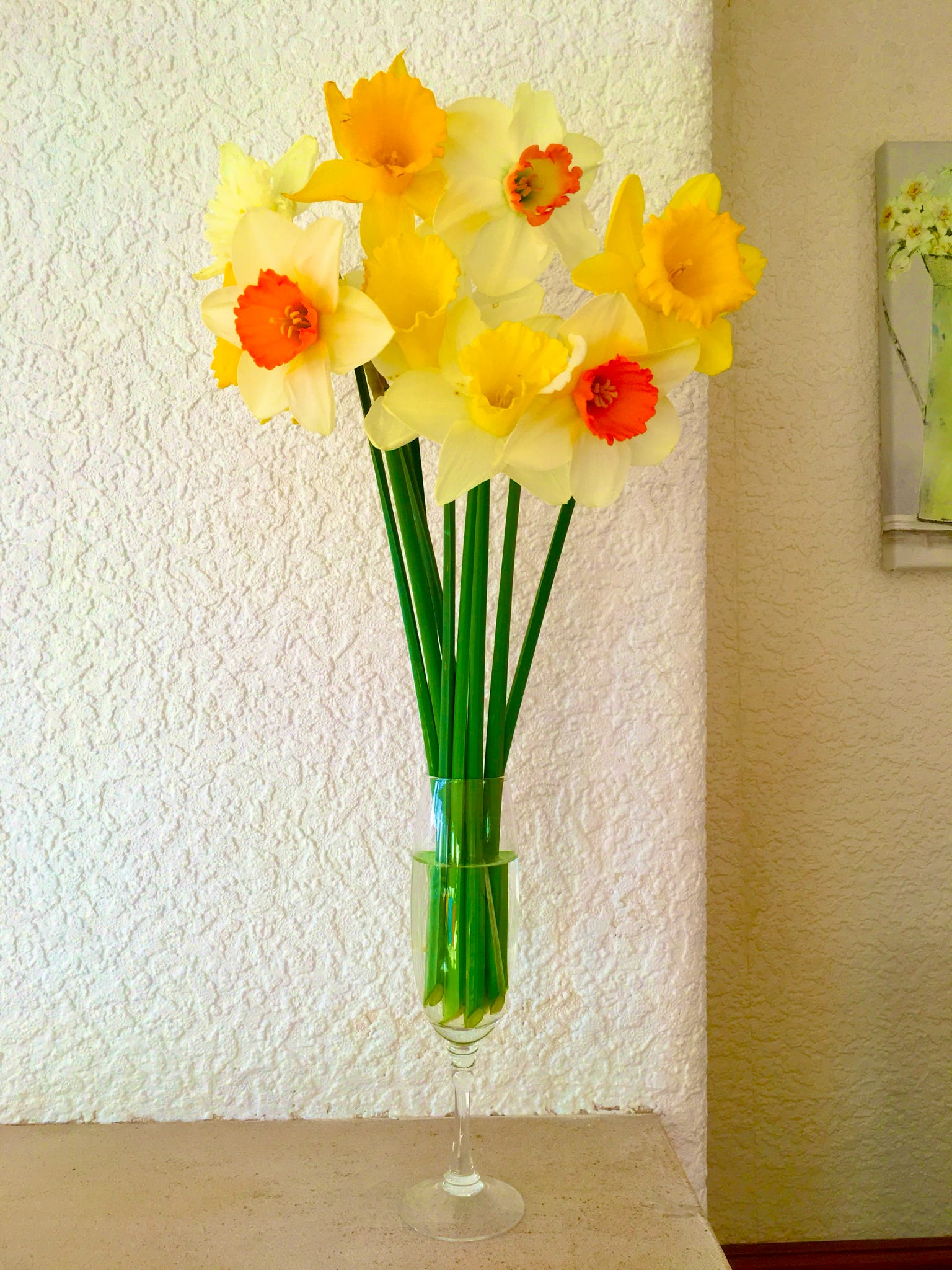
“…a vase of daffodils blaring through their megaphones.” -Matthew Francis in his poem “Yellow”
Clumps of daffodil bulbs have been known to survive in the ground for well over a century, flowering consistently for decades.
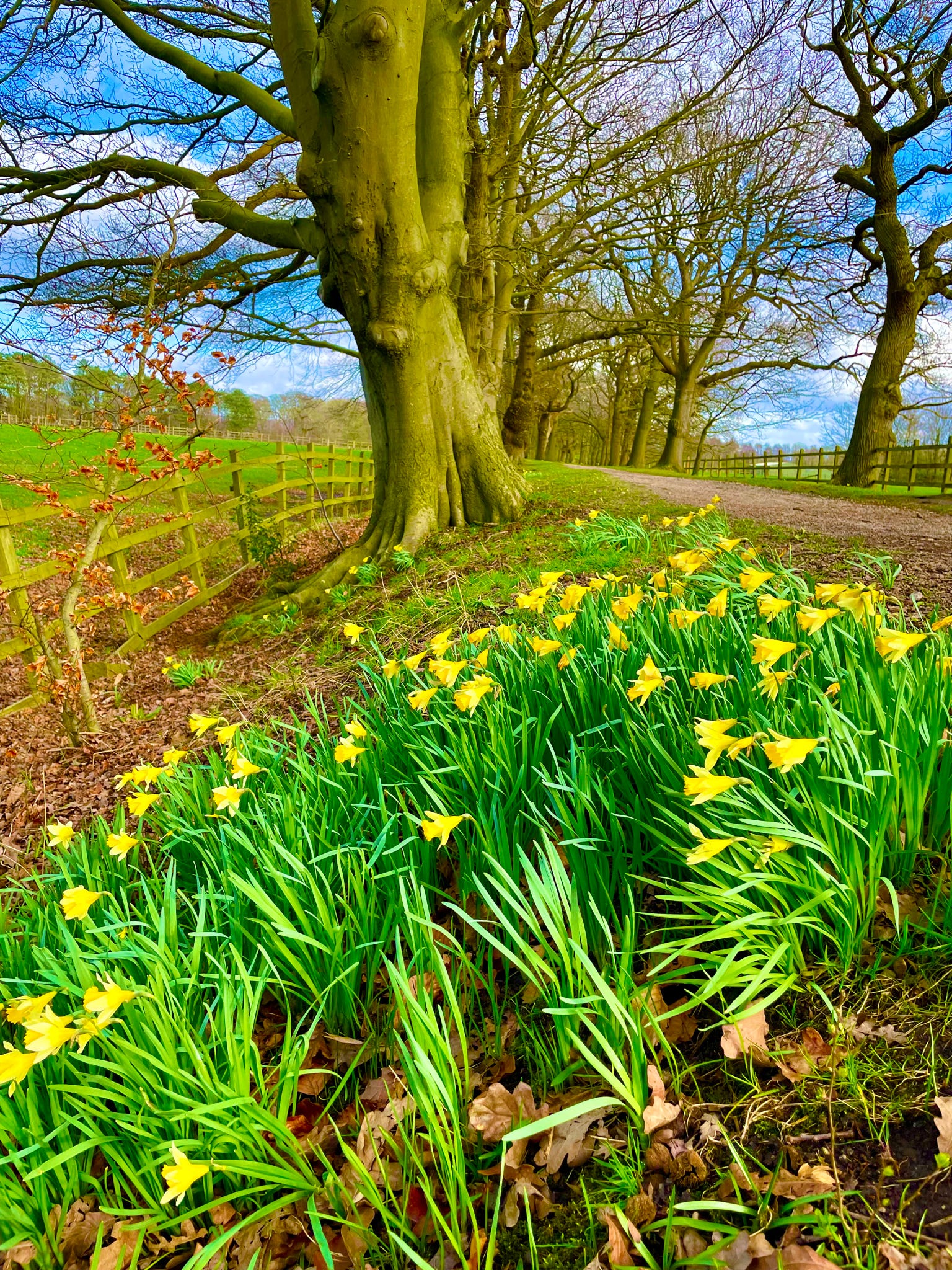
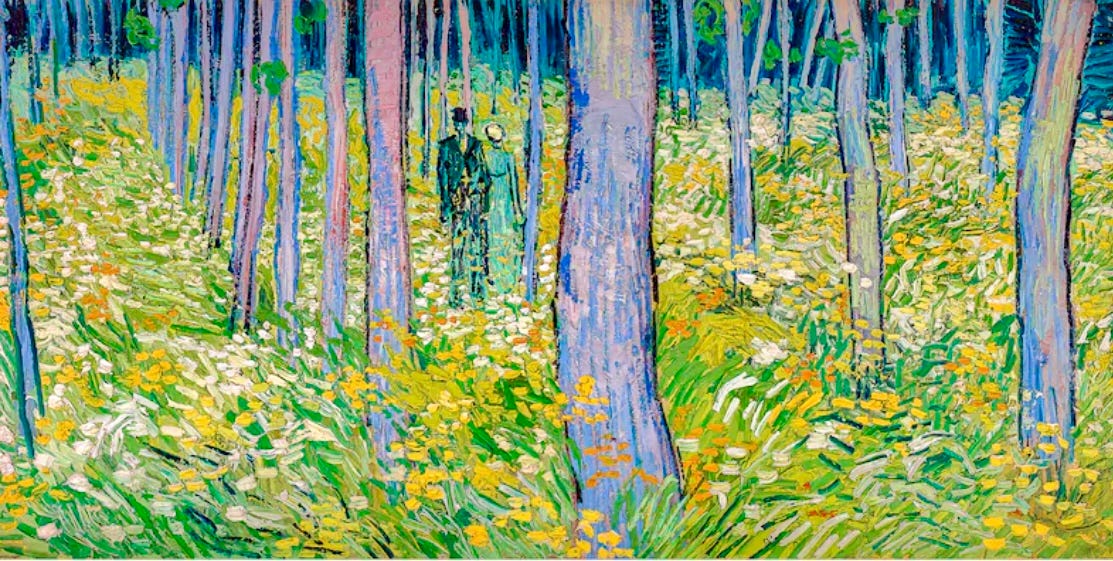
Vincent van Gogh, Claude Monet, Berthe Morisot and John Singer Sargent are among the famous artists to have captured the beauty of the daffodil on canvas; Shakespeare, Wordsworth, Oscar Wilde and A.A. Milne in poetry; Joni Mitchell and Don McLean in song. Monet scattered his own narcissi in the grasses at his garden in Giverny.
Van Gogh’s “Couple Walking Among the Daffodils”:
“One daffodil is worth a thousand pleasures, then one is
too few.” -Wm Wordsworth
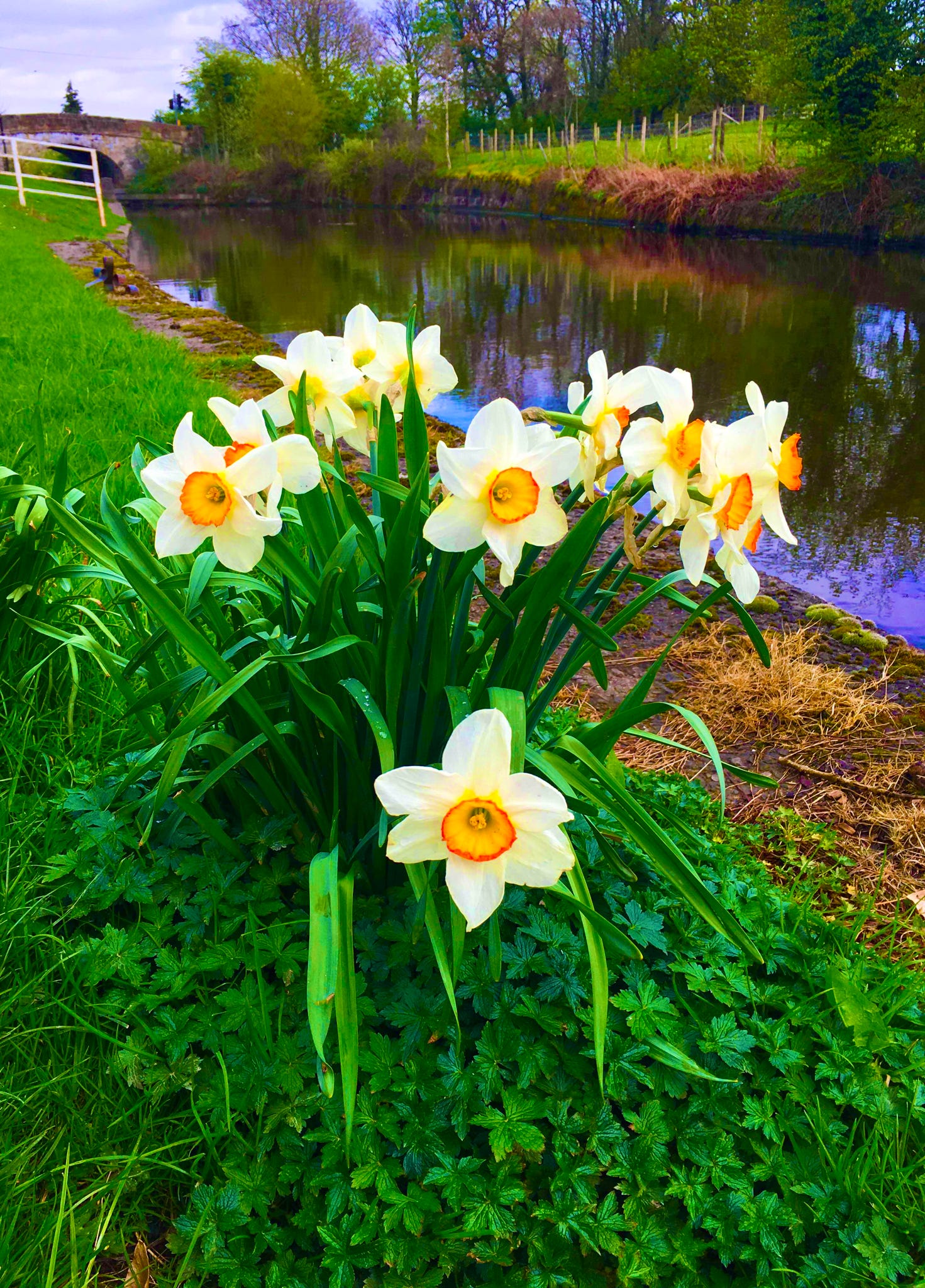
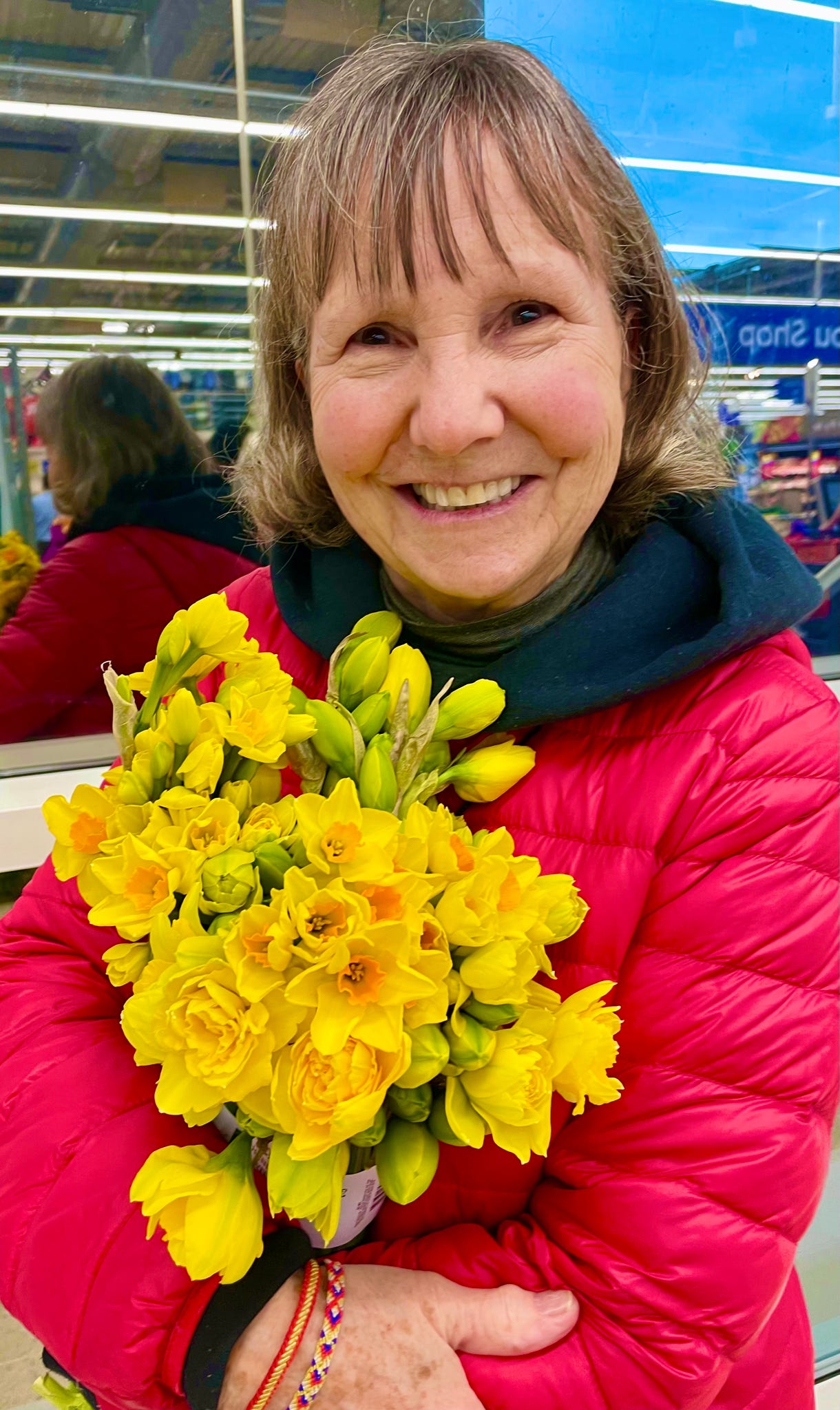
Happily, because they are grown here, bunches of daffodils are readily and cheaply available in grocery stores round the UK at this time of year. Nine blooms for £1 ($1.33)!
“The good and the evil in this world are happening concurrently. This has always been the case. Making time for the good is, itself, one way of defying the evil.” - Something in the Woods Loves You by Jerod Anderson
May goodness find you today. Sending light.
I really needed this today, Mel! God bless you! ❤️
This is a very timely post Mel, me & my daughter were noticing the daffodils on the drive to school thai morning & now I get to read all about them! I had no idea they were poisonous, so I’ve never tried to eat one. I’m loving the daffodil poems, including Tom’s 🌼 ❤️