
Midsummer Night Fairies
“There may be fairies at the bottom of the garden. There is no evidence for it, but you can't prove that there aren't any, so shouldn't we be agnostic with respect to fairies?” -Richard Dawkins

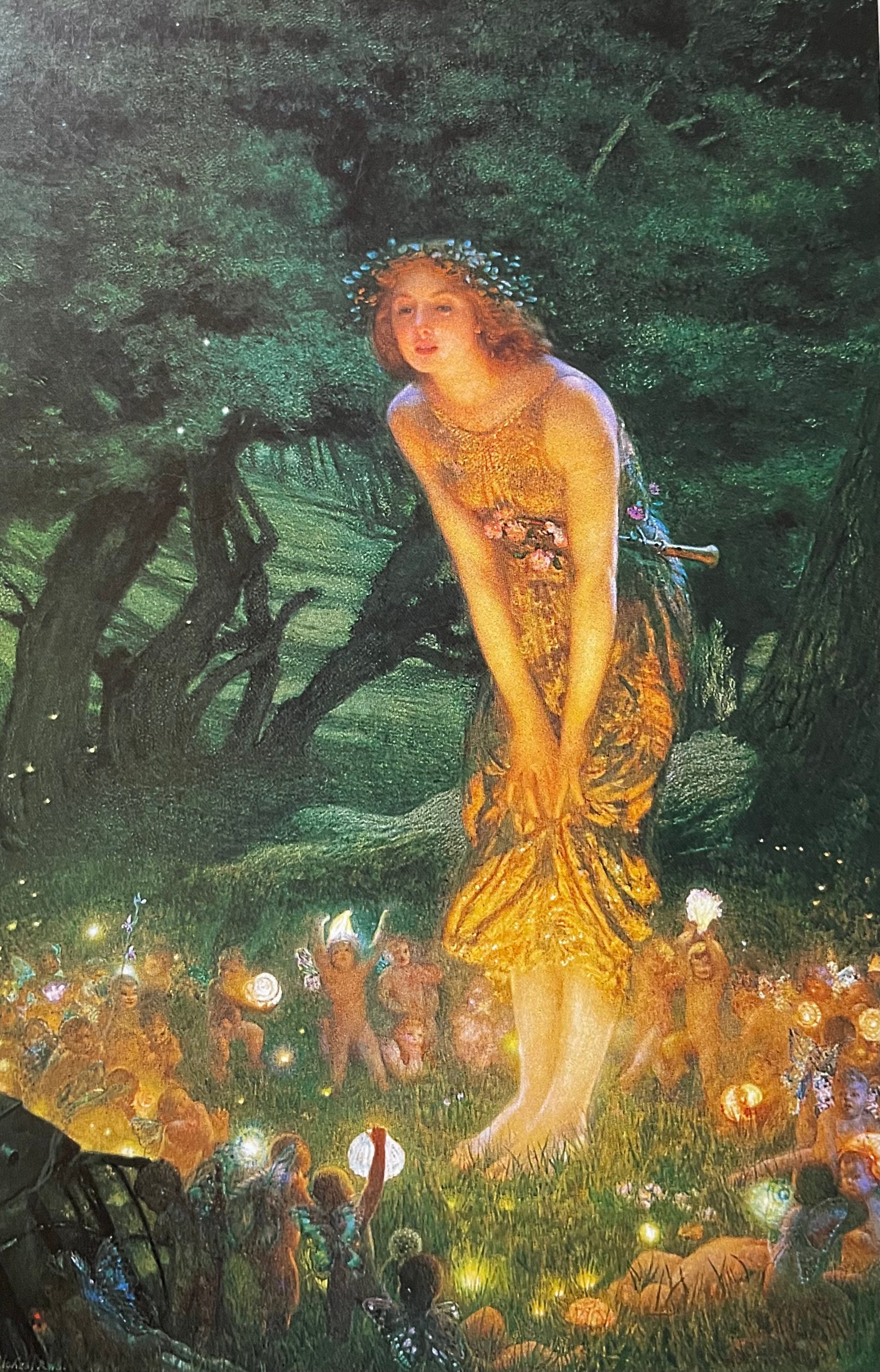
^ Midsummer Eve (1908) by Edward Robert Hughes
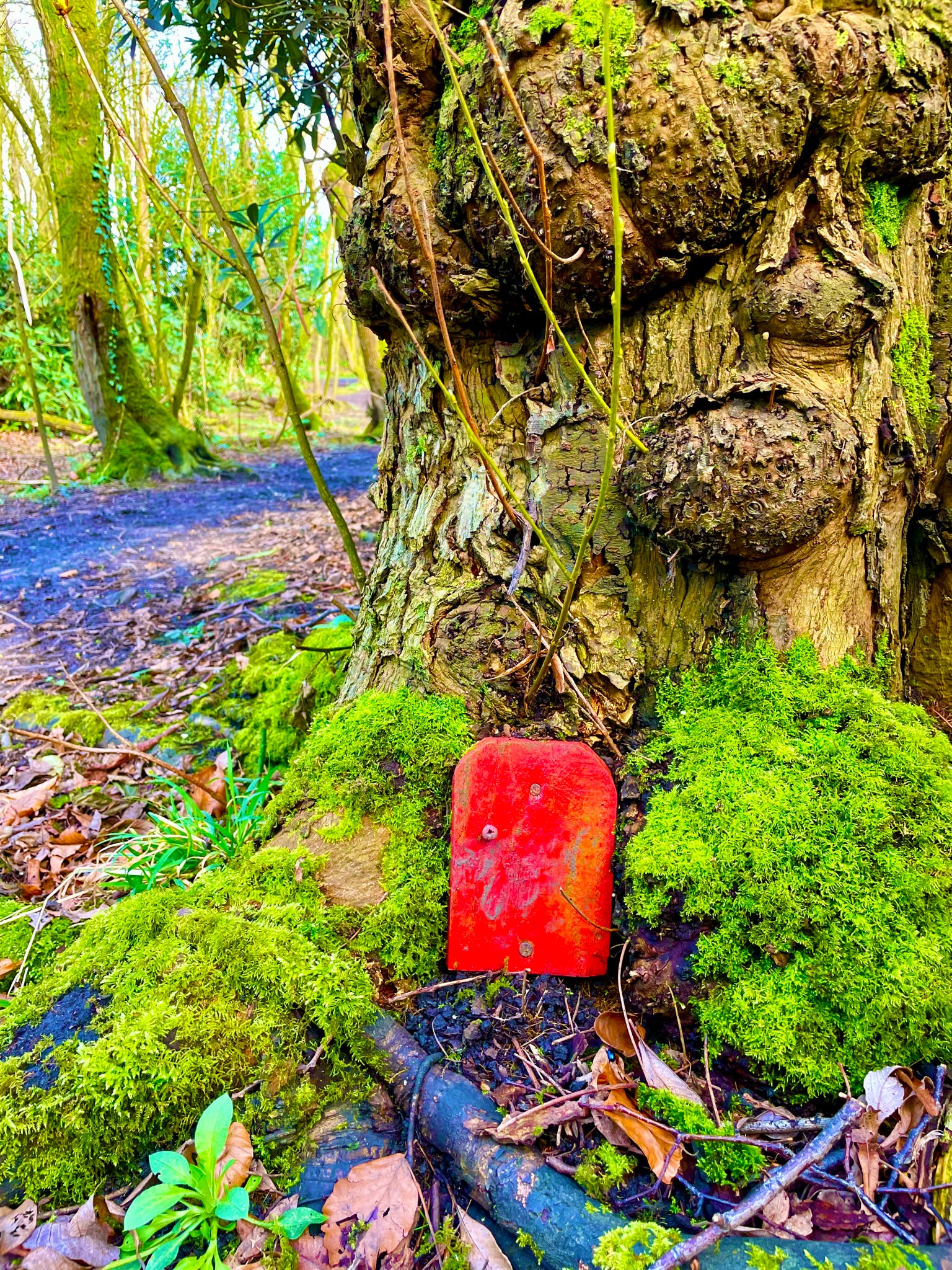
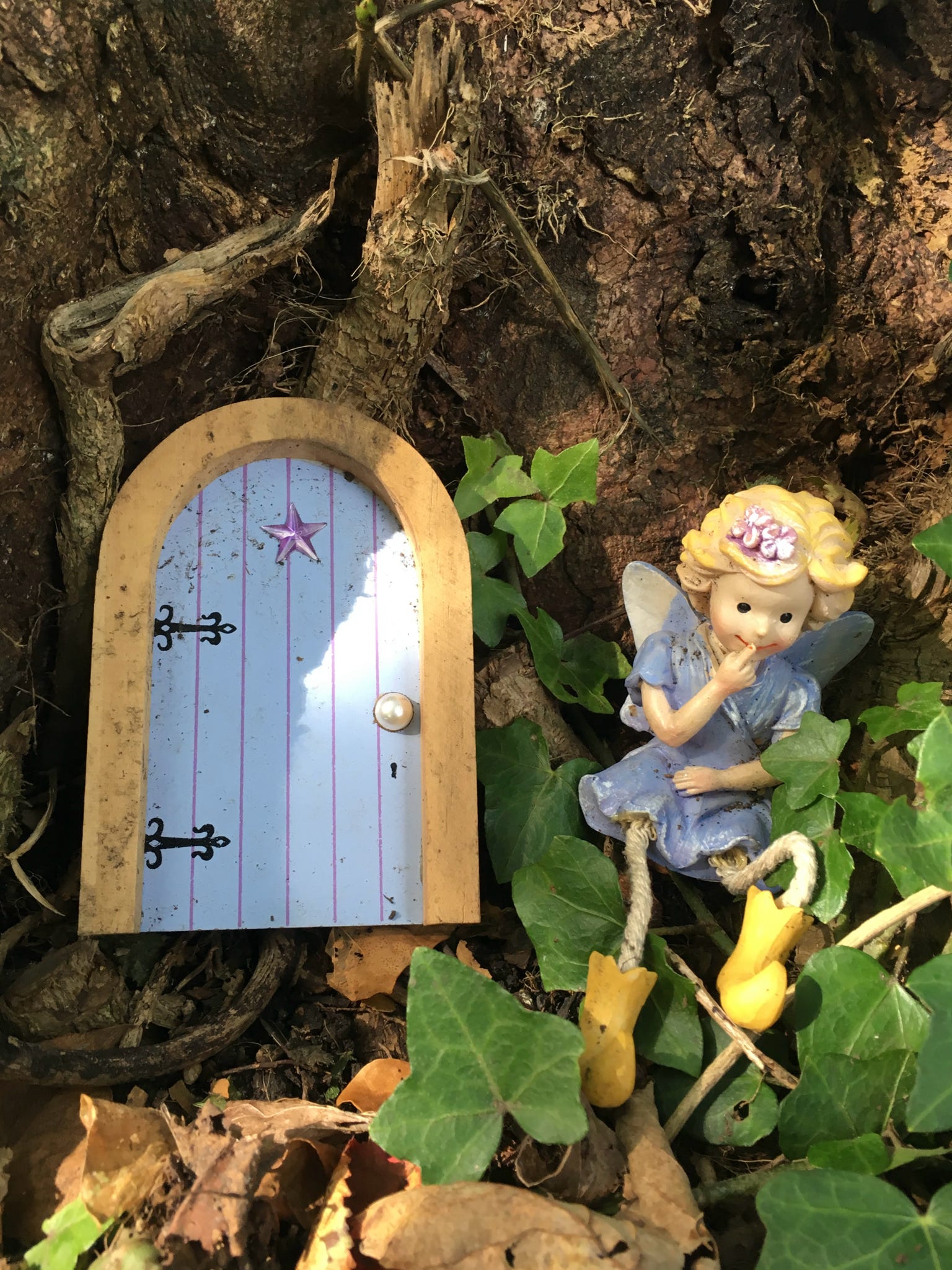
One of the things I adore about living in England is that when walking in the woods anywhere, you may suddenly come upon a fairy door in the trunk of a tree.
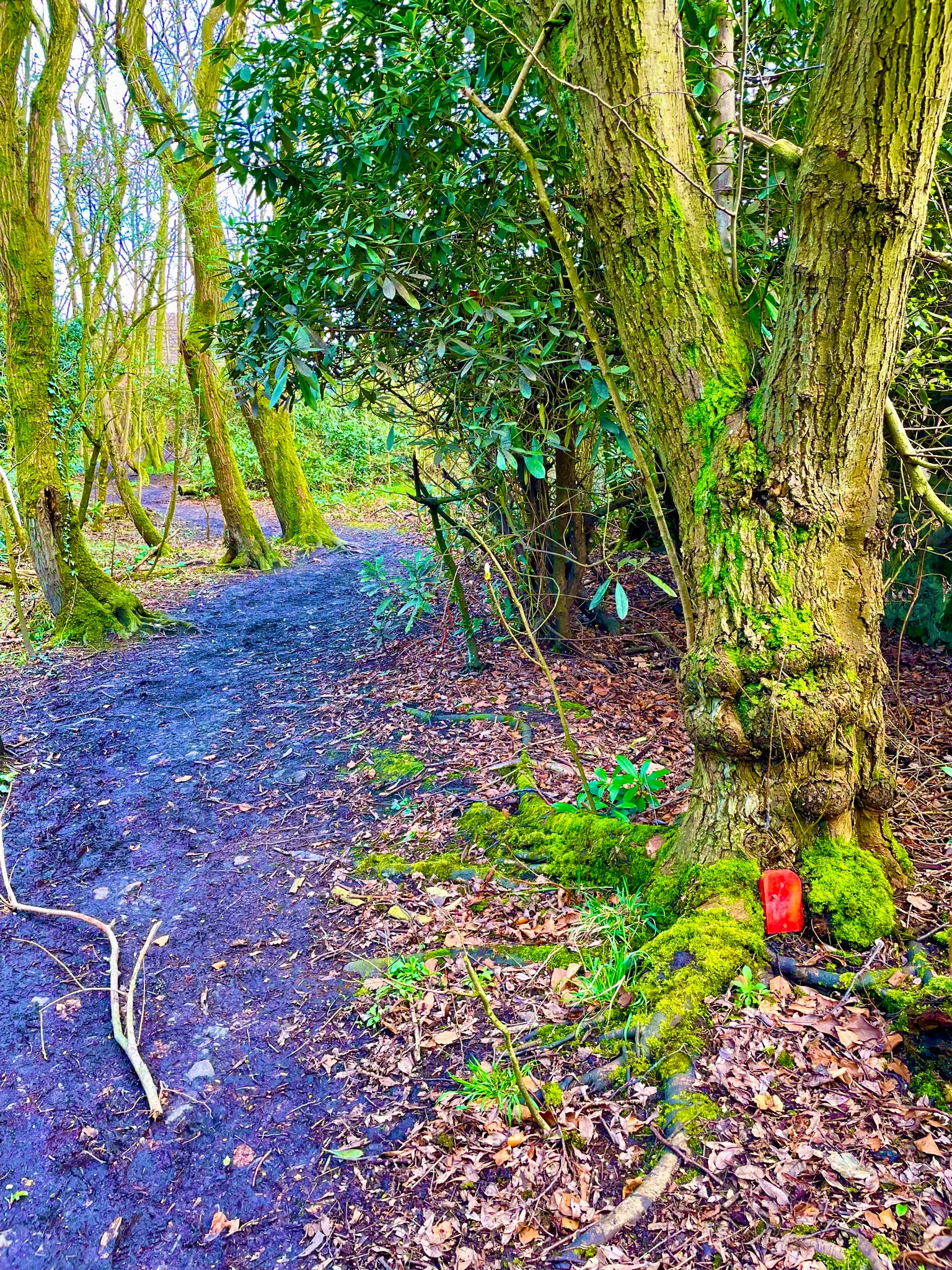
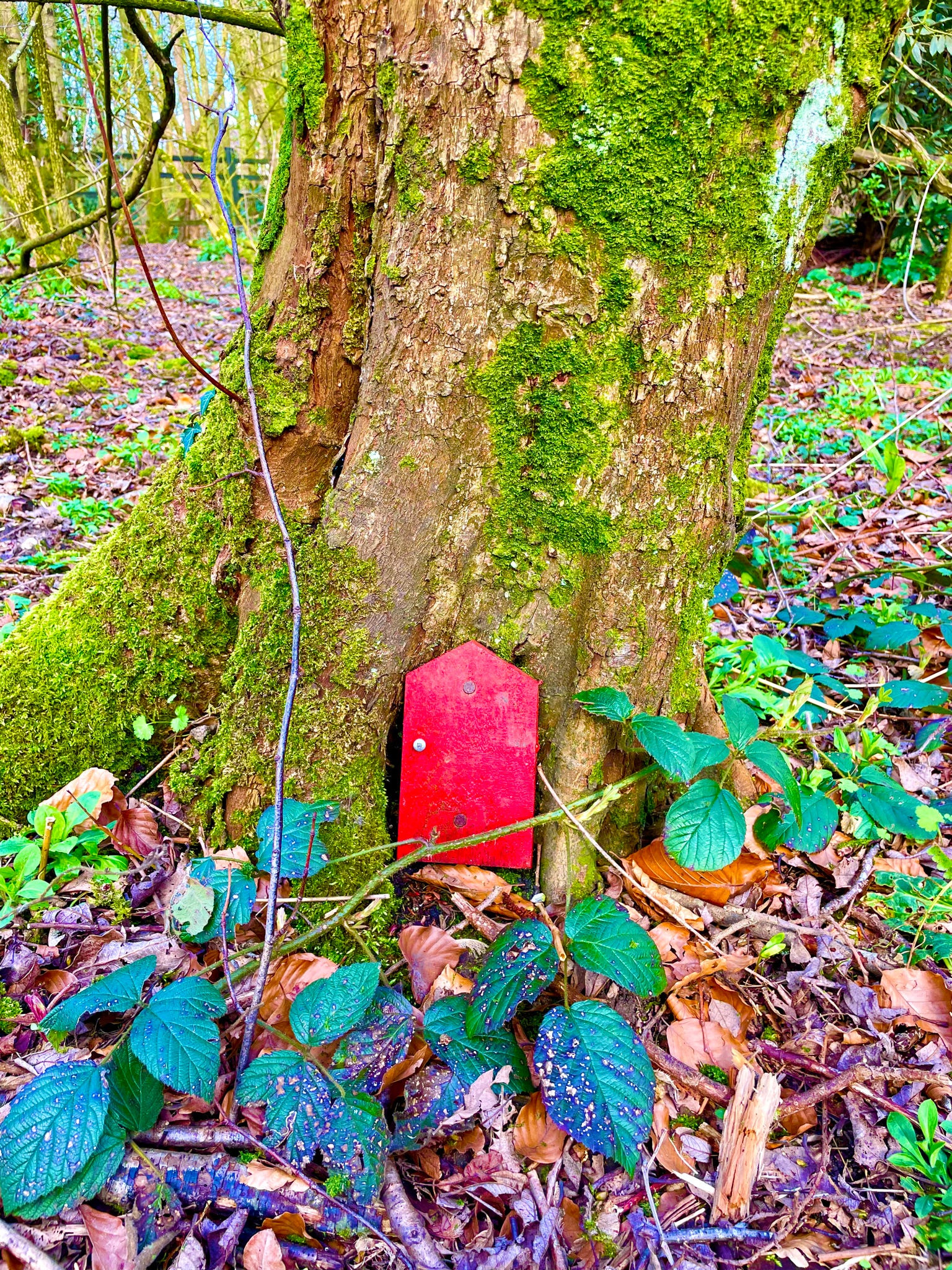
“Obsessed by a fairy tale, we spend our lives searching for a magic door and a lost kingdom of peace.” ~Eugene O’Neill
And what’s wrong with that? I ask.
The British Isles are steeped in fairy lore from the leprechauns and little folk of Ireland to Shakespeare’s legion of fairies in “A Midsummer Night’s Dream,” to Tolkien’s elves, dwarves, goblins and hobbits.
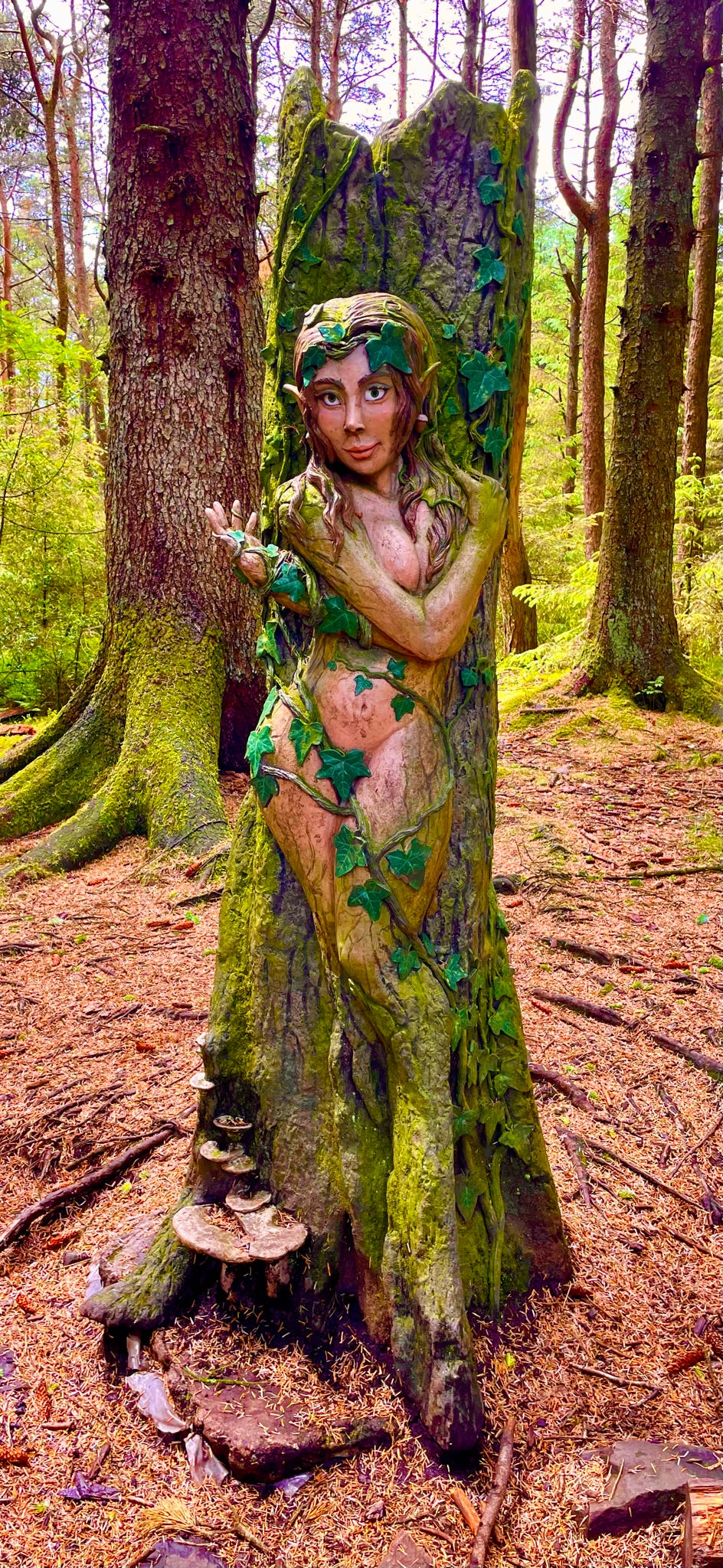
Belief in fairies (or perhaps the ability to see them) could go back as far as 550 BC in ancient Iran. Persian mythology, dating back to pre-Islamic Persia, mentions “fair, beautiful, and extravagant nature spirits that were supported by wings.”
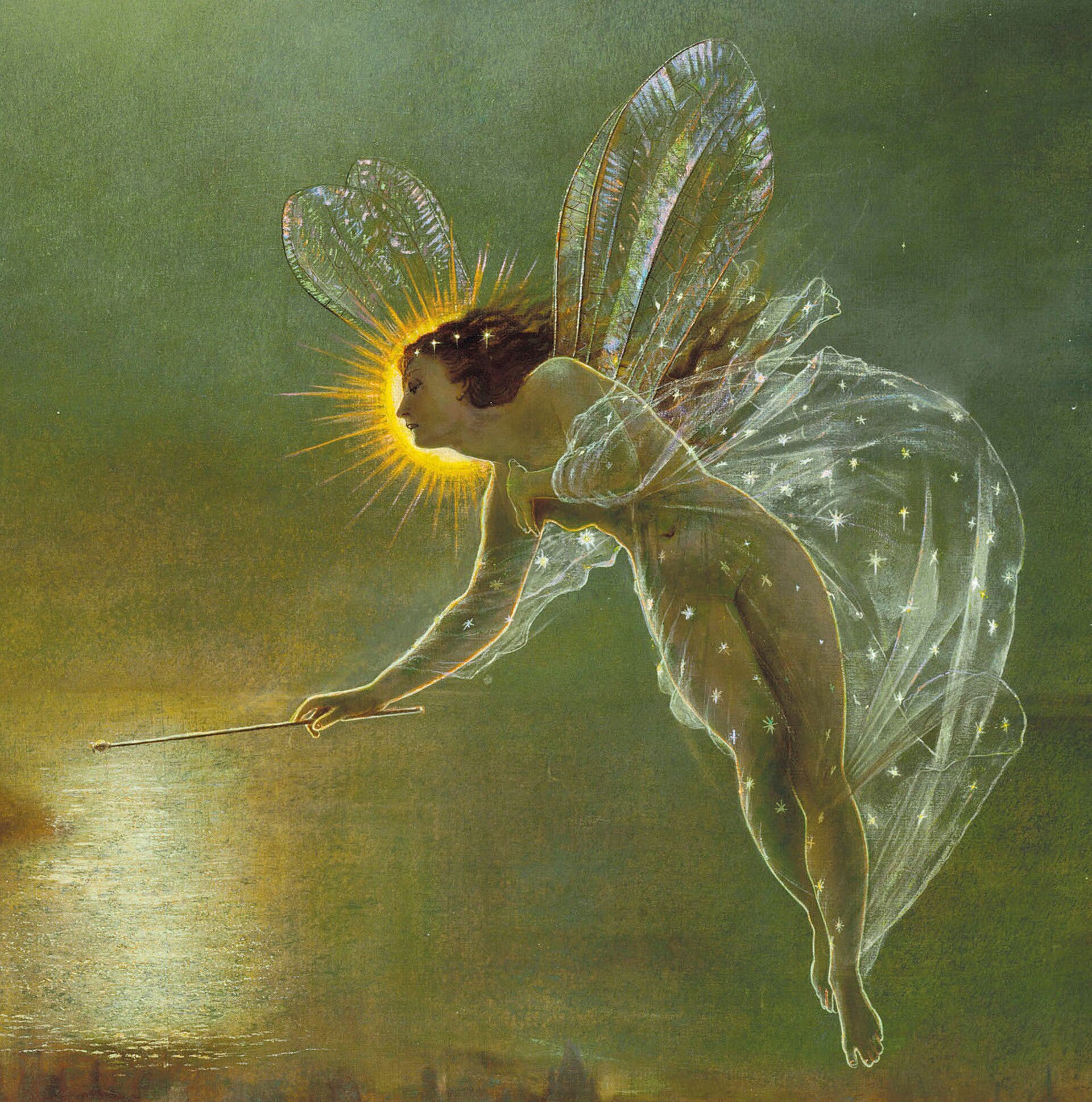
^ John Atkinson Grimshaw - “Spirit of the Night”
Celtic, Slavic, Germanic and French folklore all contain stories of fay-like creatures. However, the modern and familiar concept of fairy is unique to English folklore.
William Shakespeare’s comedic play, “A Midsummer Night’s Dream”—which was written around 1595—particularly popularized fairies, especially during the Victorian era.
Fairy paintings and illustrations reached a zenith in Britain during this time.
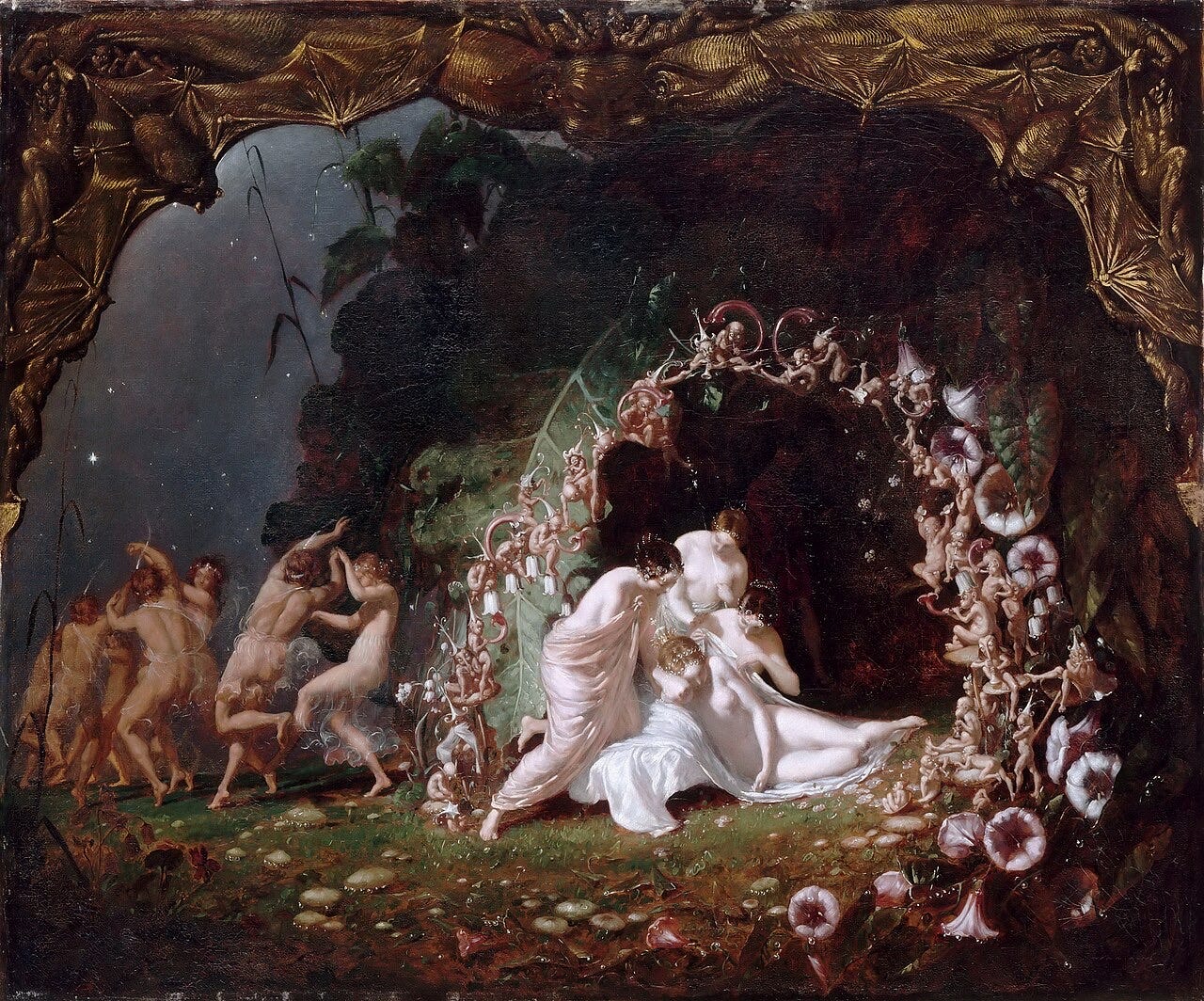
^ The Fairy Queen, Titania, from “A Midsummer Night’s Dream,” is depicted sleeping, and attended by three female nymphs, with Fairy King, Oberon looking on. ~by Richard Dadd, Victorian English artist who painted during his time in asylums for the criminally insane.
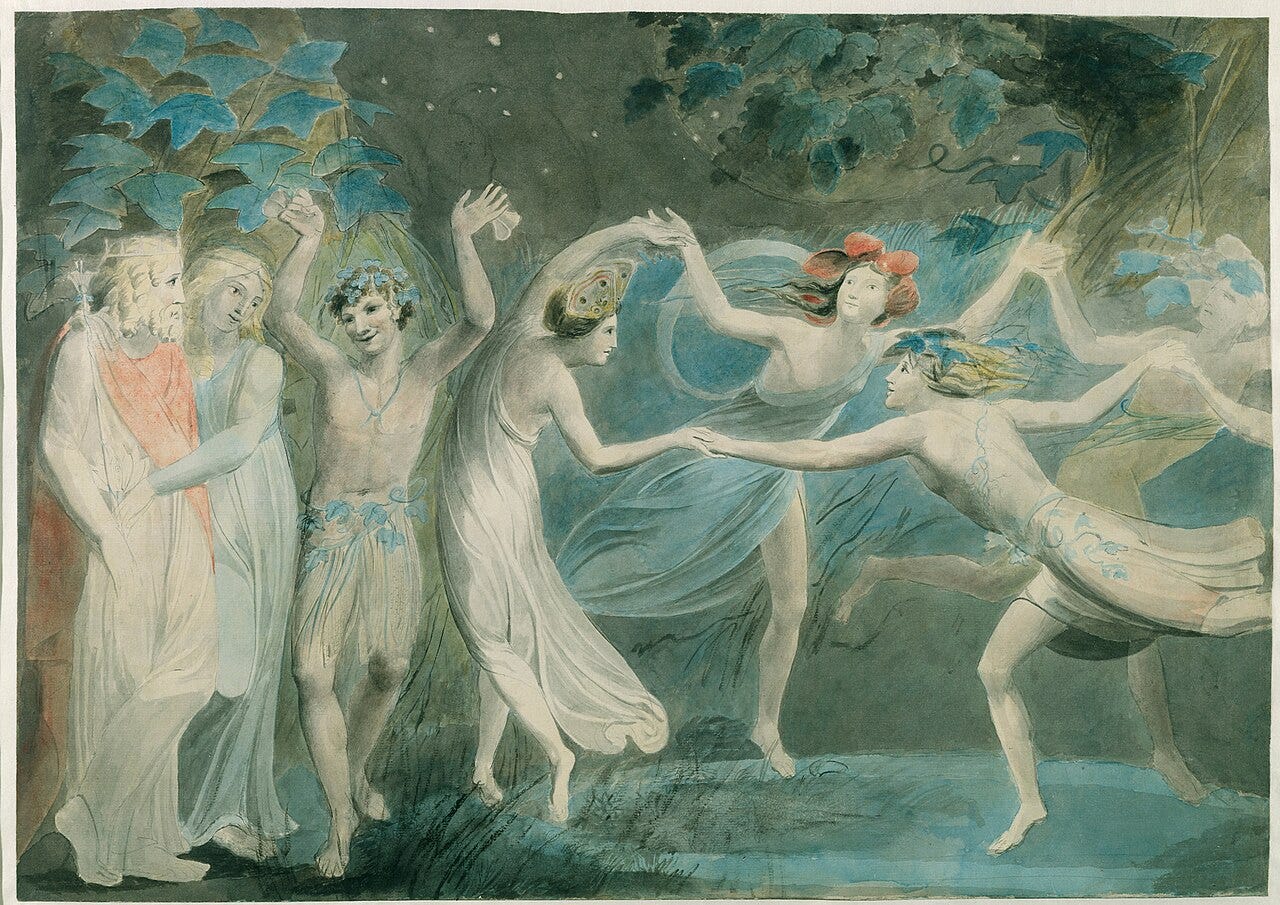
^ Oberon, Titania and Puck with Fairies Dancing (c. 1786) by William Blake
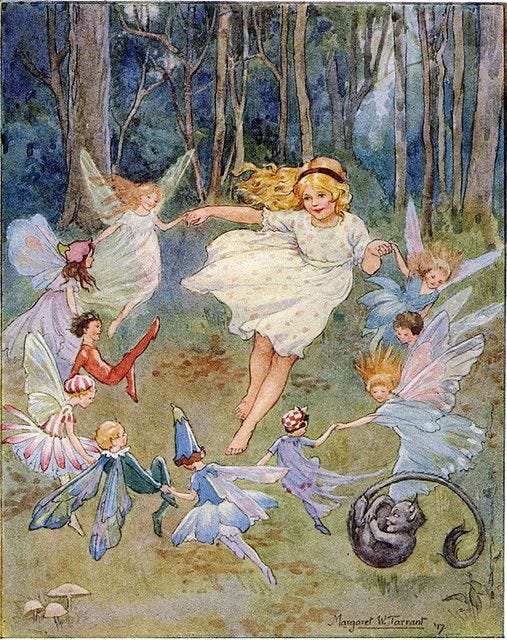
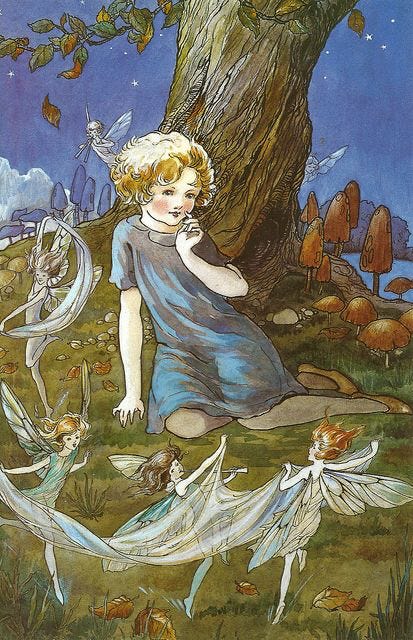
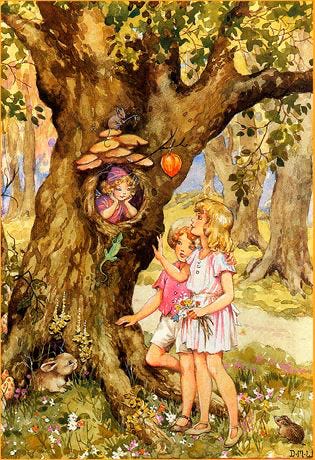
My two, long-time favorite, English fairy artists are Margaret Tarrant (1888 - 1959) and Cicely Mary Barker (1895 - 1973):
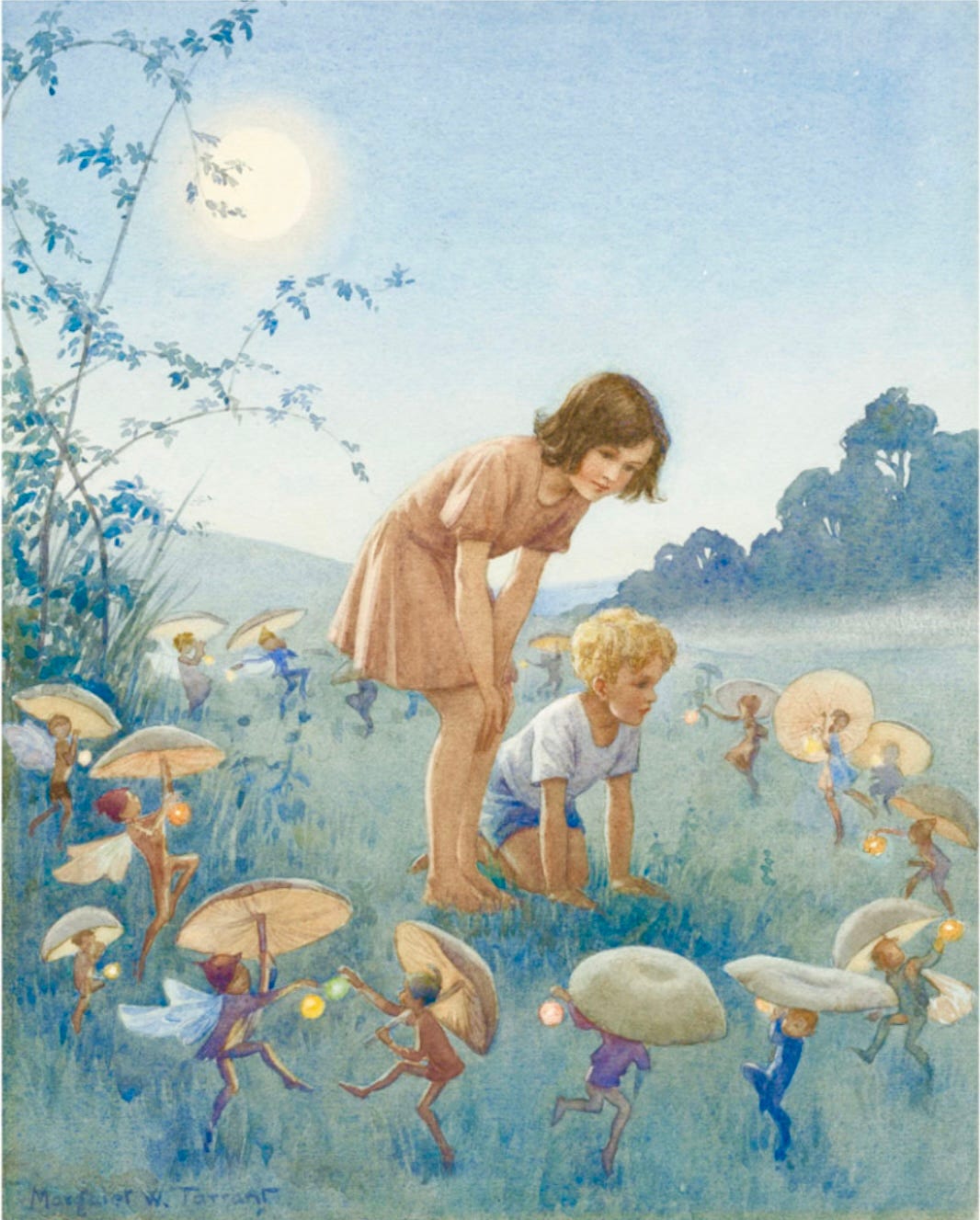
^ Margaret Tarrant, “Midsummer Eve”
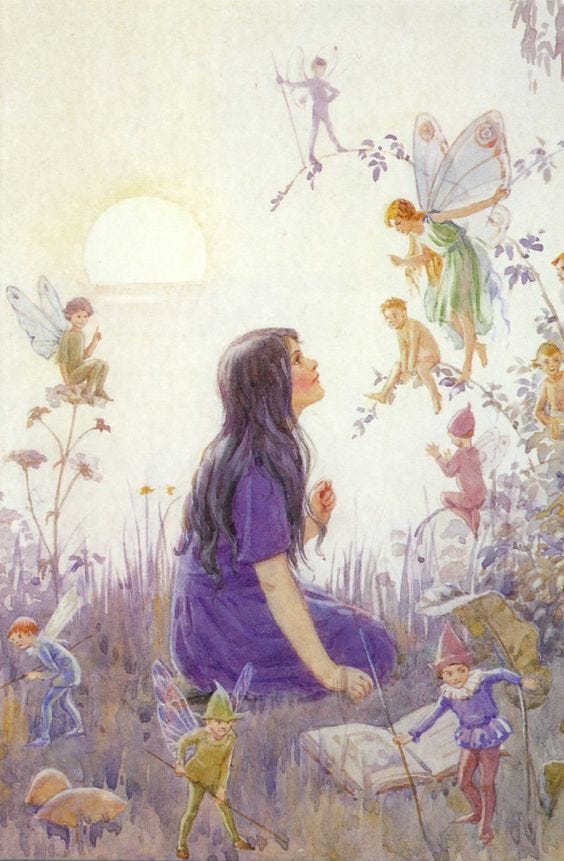
^ Margaret Tarrant, “Fairy Secrets”
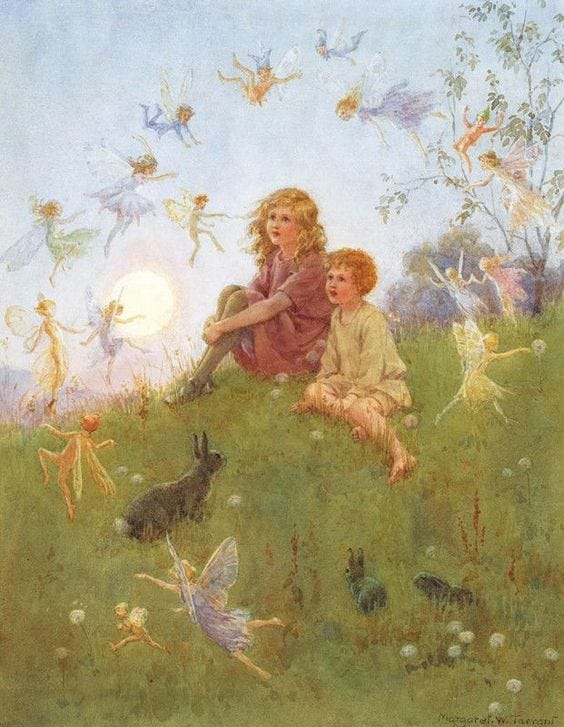
^ Margaret Tarrant, “Do you believe in fairies?” (This print hangs above my bed in England.)
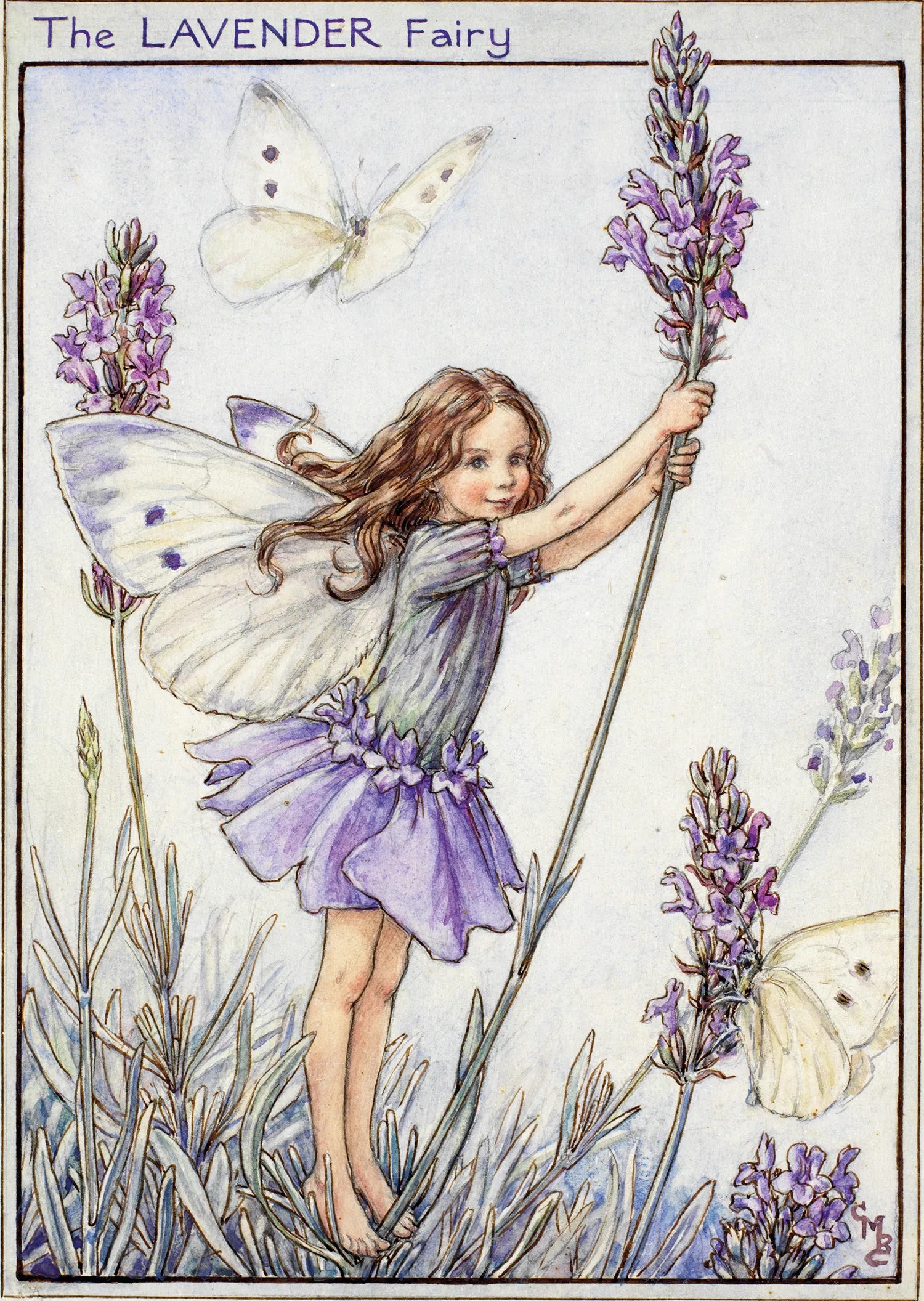
^ Cicely Mary Barker, “Flower Fairies”
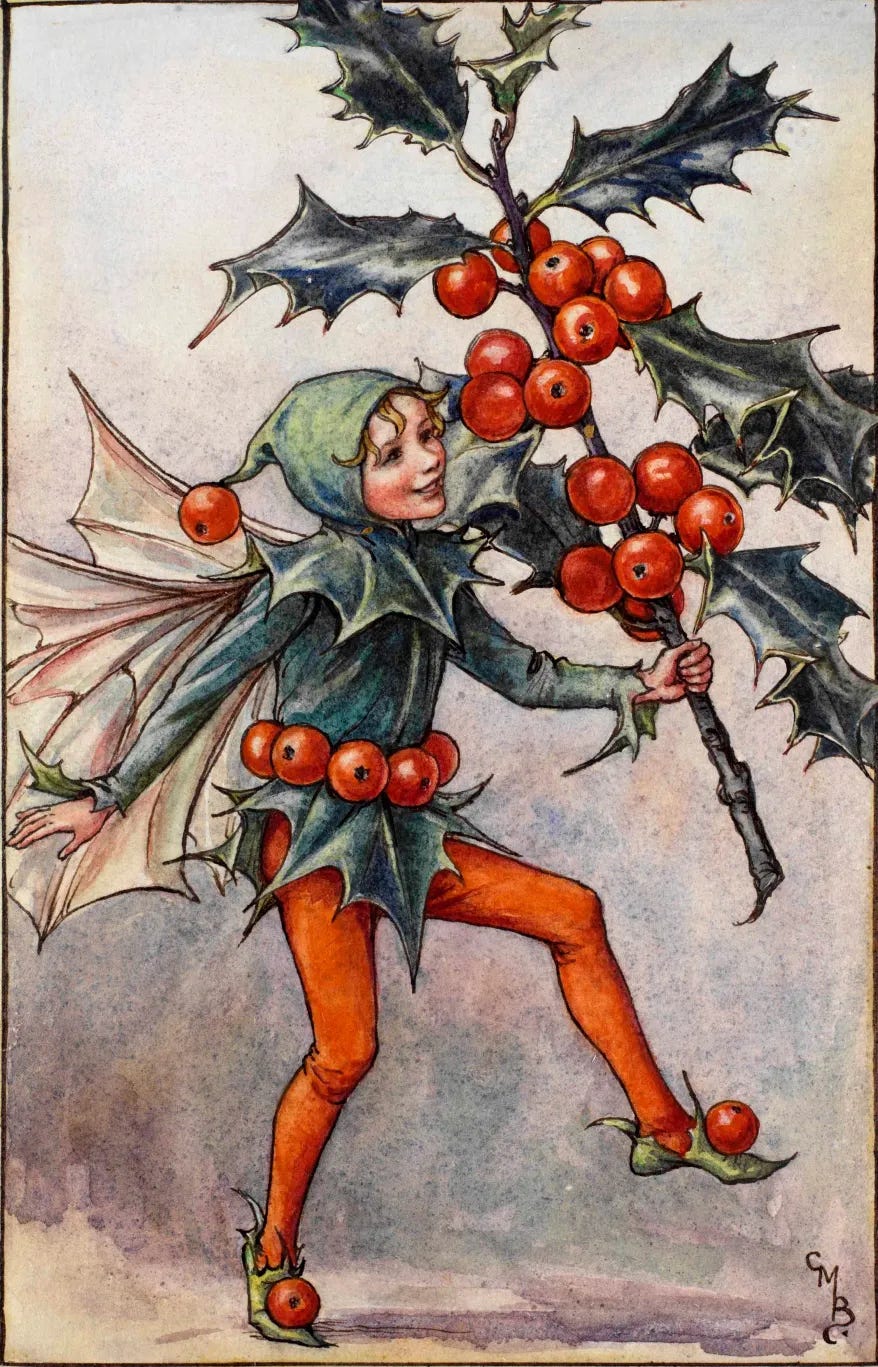
^ Cicely Mary Barker, “Holly Fairy”
Because my mother was English, believing that there were fairies at the bottom of the garden came naturally to me.
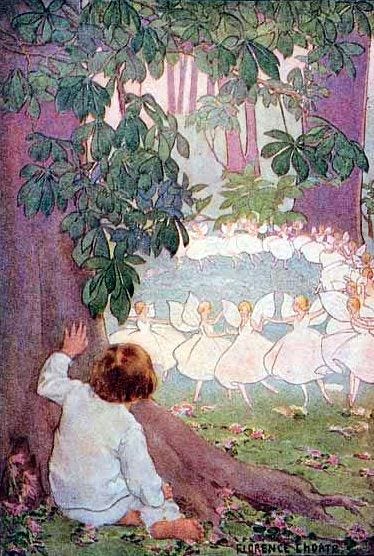
I imported this love for fae folk to Alaska, where I raised my two daughters to celebrate the June solstice with a midsummer’s eve celebration and picnic for the fairies. We began by watching the old but magical, black & white, 1935 movie version of Shakespeare’s “A Midsummer Night’s Dream” that is rife with fairy presence and Felix Mendelssohn’s music.
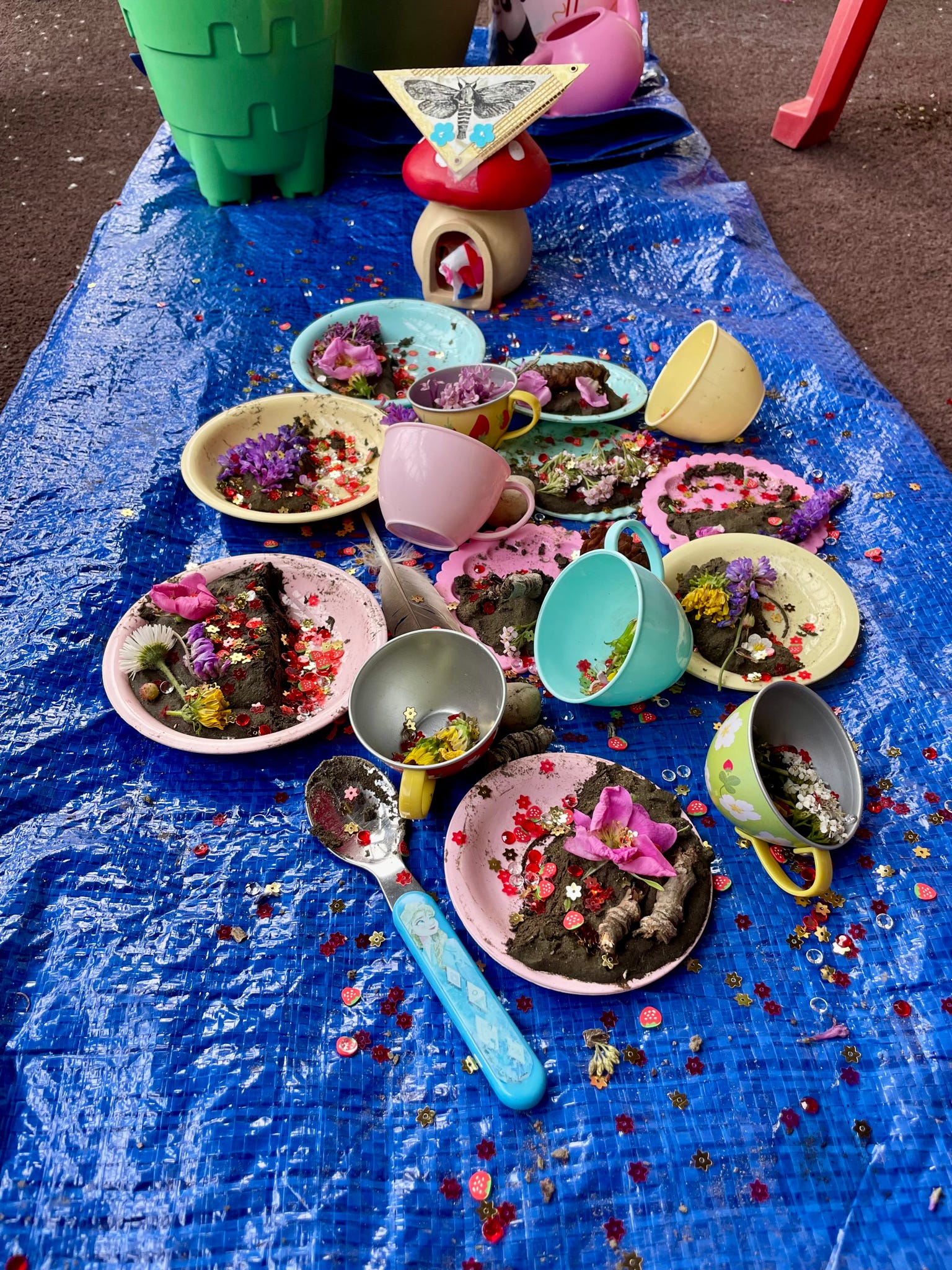
Then we made mud cakes and teas decorated with all the seeds and blossoms of mid-summer, laid the banquet out on fairy-sized plates and cups, and went to bed in the tent set up in the back yard. While we slept under the midnight sun, the fairies came to feast, sprinkle their fairy dust and leave pretty notes in squiggly hand writing, along with tiny porcelain animals for the children to care for.
The tradition continues with my Alaskan grandson:
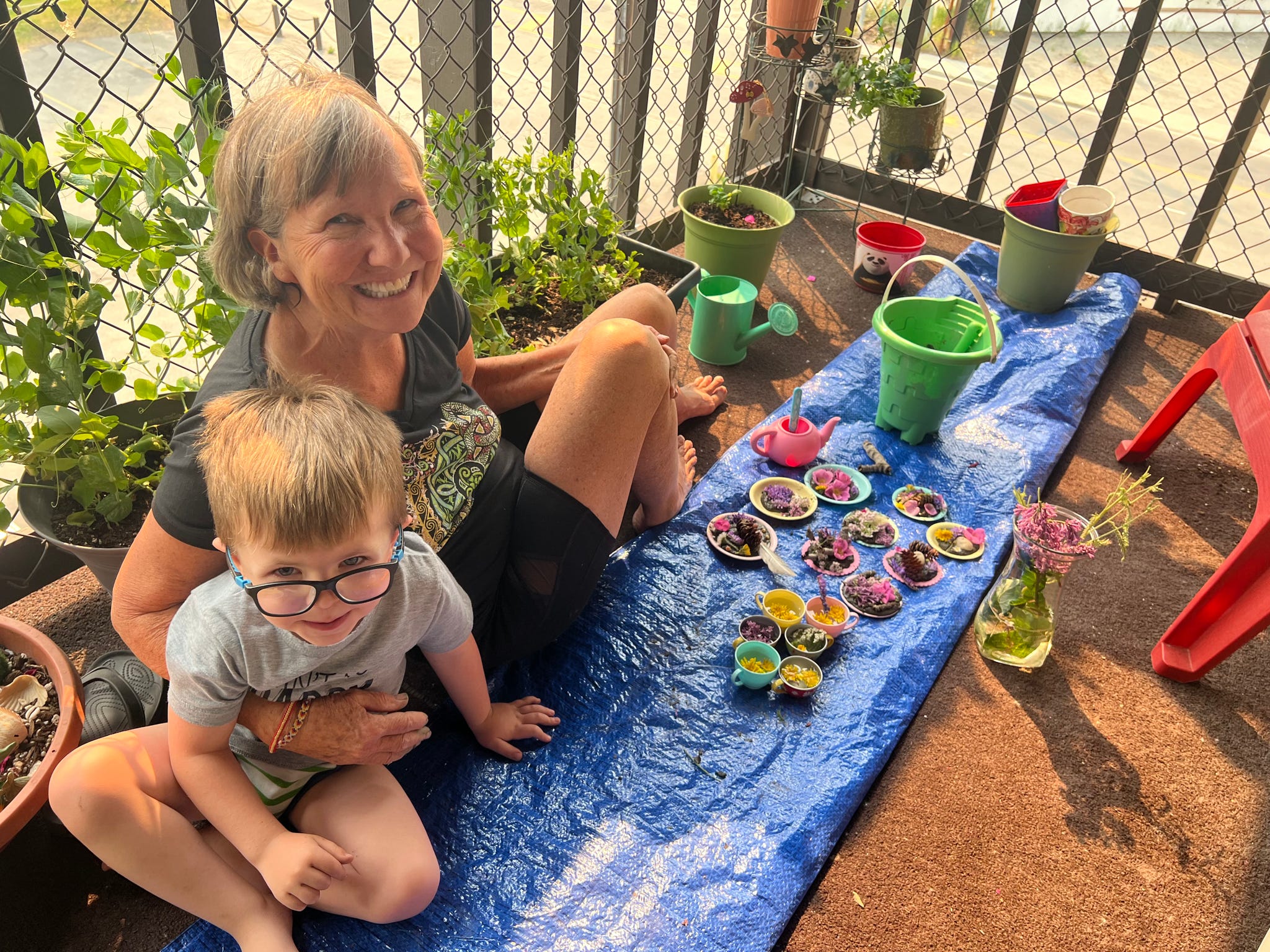
⬆️ Before and after the fairies visit ⬇️
“Come Fairies, take me out of this dull world, for I would ride with you upon the wind and dance upon the mountains like a flame!” ~William Butler Yeats
May your Midsummer Night’s Eve and Summer Solstice (Sunday, 21 June this year) be full of magic and wonder! 🧚♀️
“Where you believe there is magic, you will find it.” ~Unknown
“The universe is full of magical things patiently waiting for our wits to grow sharper.” ~Eden Phillpotts, English author and playwright
Hi Melanie, that's a great tradition you have with your daughters and grandkids! I recently read about a magic mushroom from China that causes visions of such fairy-ish folk:
The Chinese mushroom known for causing visions of tiny people is Lanmaoa asiatica (sometimes called the "lilliputian mushroom" or "little elves mushroom").Locals in the Yunnan province of China call it jian shou qing (which translates to "turns blue in the hand" because the flesh stains blue when touched or cut).Key facts about the mushroom include:The Visuals: If consumed undercooked, it causes a rare neurological condition known as Lilliputian Hallucinations, where individuals see hundreds of tiny, colorfully dressed, human-like figures scurrying across surfaces or climbing furniture.No Known Compound: Unlike traditional "magic mushrooms" that contain psilocybin, the active toxin in Lanmaoa asiatica is entirely unknown and represents a brand new class of hallucinogenic molecules.Long Duration: The trips are unusually long and can last anywhere from one to three days, often requiring medical observation.
Wonderfully magic ❤️I love a fairy door & we have a couple in our house…just in case the fae venture indoors 🧚