
Moth Mojo
“A moth is a fuzzing, perambulating fern-frond and God’s holiest palm-pilgrim, and you are welcome to my porch.” -Annie Dillard, Pulitzer Prize-Winning American Author

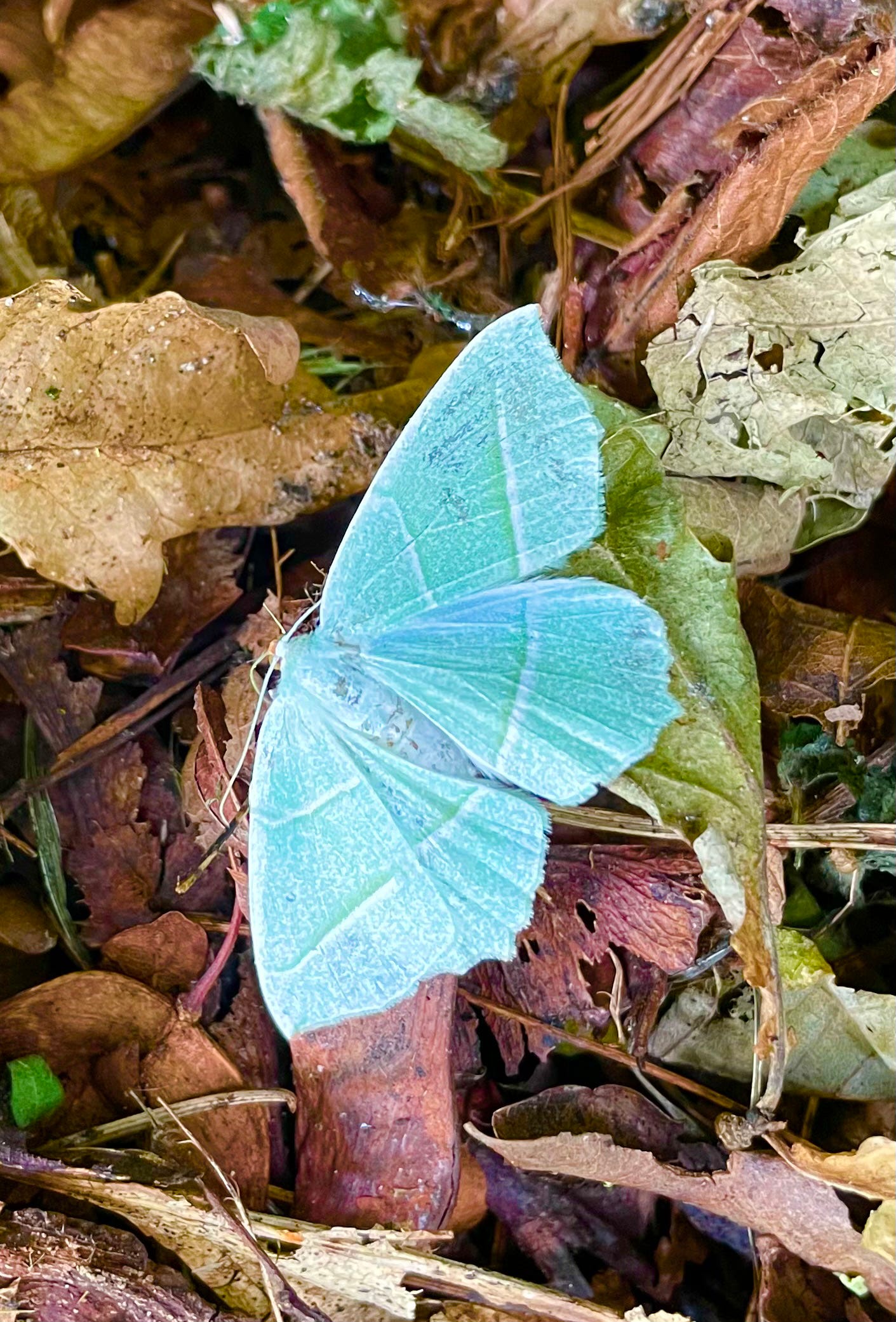
My mother was deathly afraid of moths, to the point of panic, and none of us kids could ever figure out why. It wasn’t until today, when I came across this quote, that I learned how common it is.
“I think there’s something about the way moths come out of the night, and the fact that we don’t know very much about them. The more I realized that people are frightened of them – women in particular think they’re going to land in their hair – the more it became clear that it’s exactly the job of artists to point out the beauty in things that are unloved.” -Sarah Gillespie, British printmaker and environmentalist
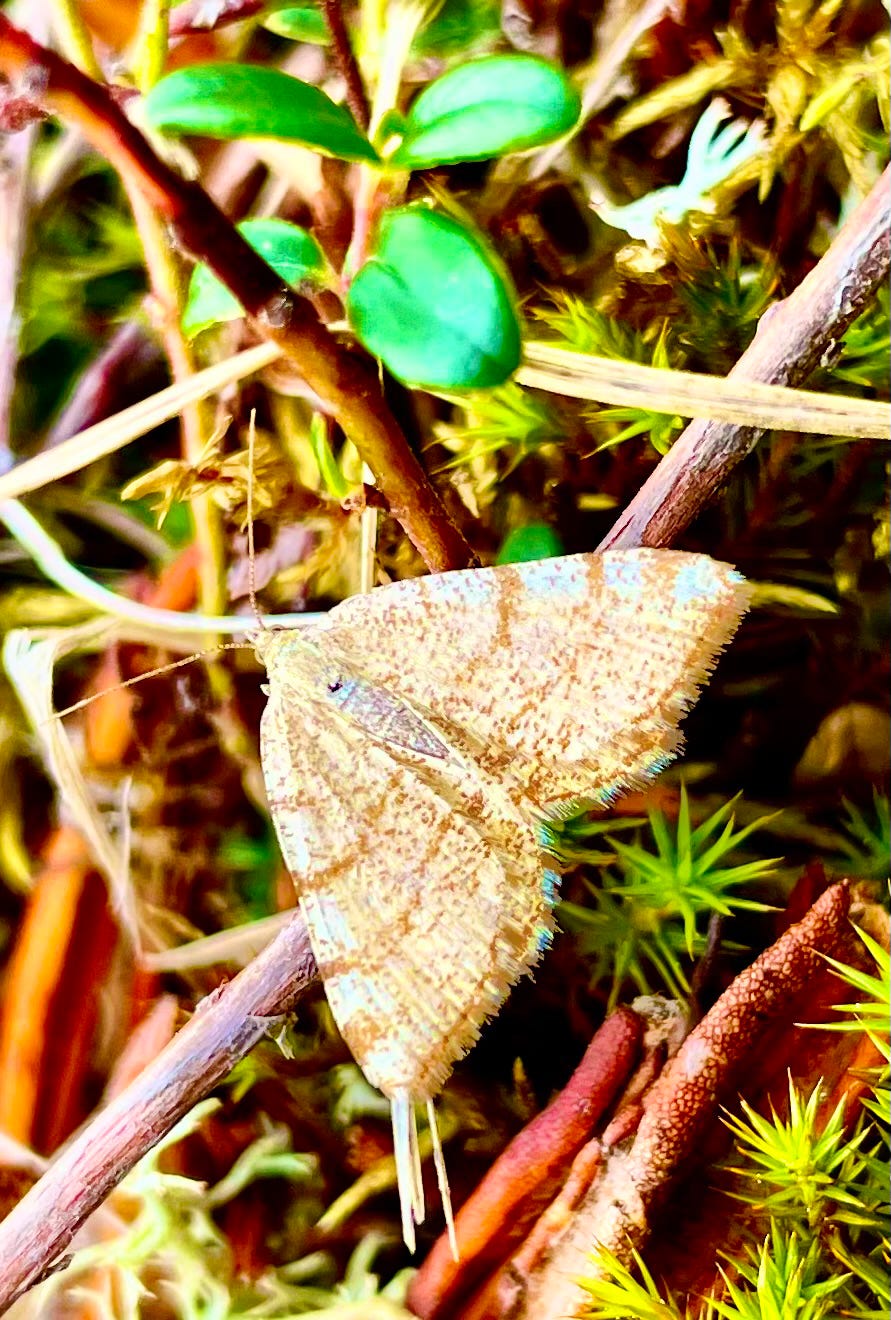
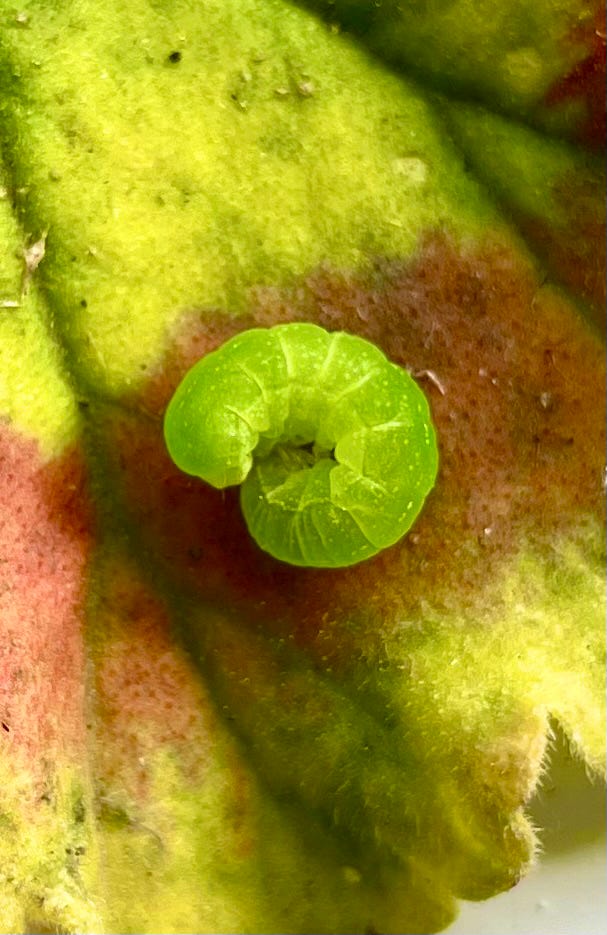
Harmless, mysterious and beautiful, moths rarely even eat clothes. There are only two common moths, out of 2500 species in the UK, that have caterpillars that damage fabrics. Even then they only eat wool, fur and feathers and not cotton or synthetic materials.
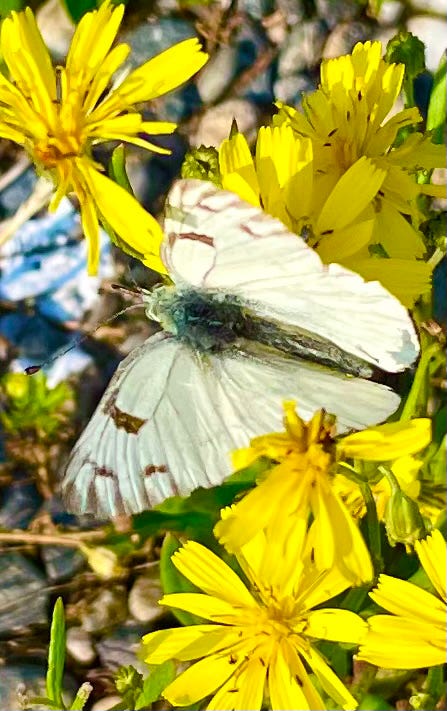
“Misunderstood and overlooked they are deeply unloved by most humans. Unseen in the dark and dismissed as ‘dull’ in favour of their flashier, diurnal cousins, the butterflies, moths are in fact more numerous and more varied, are a major part of our biodiversity and hold vital roles in the wildlife ecosystem.” - Sarah Gillespie
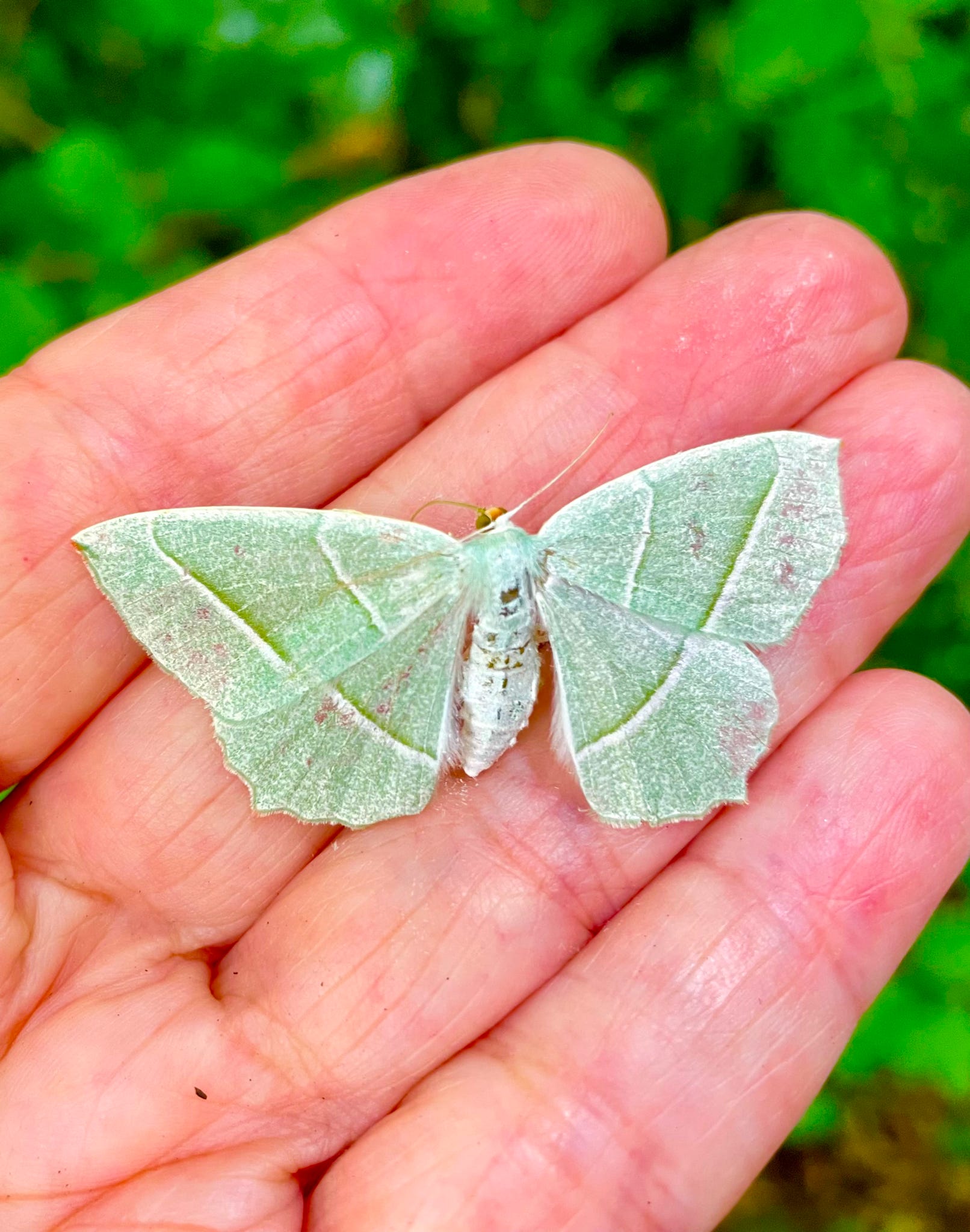
Moths and their caterpillars are vitally important food items for many other species, including amphibians like frogs and newts, small mammals such as hedgehogs, bats and many bird species. Moth caterpillars are especially important for feeding young chicks, including those of most familiar garden birds such as the Blue Tit and Great Tit, Robin, Wren and Blackbird. It is estimated that the Blue Tit chicks in the UK alone need an estimated 35 billion a year.
Opposite to the habits of butterflies, moths usually fly during the night to gather nectar from flowers. However, there are many day-flying moths, and many of them are brightly colored. The insect that is often considered the most beautiful insect in the world is a day-flying moth, the Sunset Moth, from Madagascar.
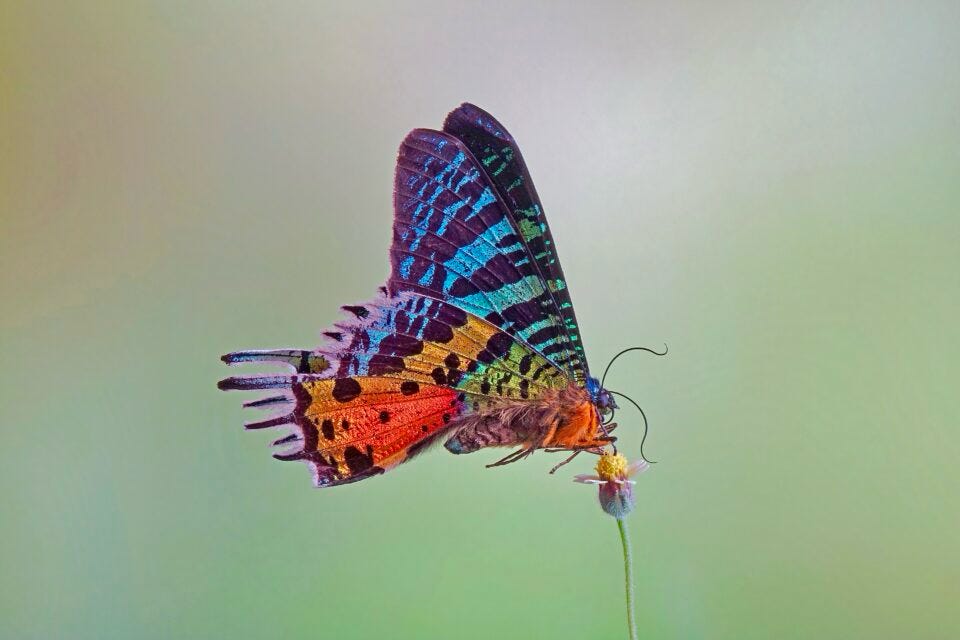
^ Sunset Moth; photo by Linda Castleson
“It was as if someone had taken a tiny bead of pure life and decking it as lightly as possible with down and feathers, had set it dancing and zig-zagging to show us the true nature of life.” -Virginia Woolf, The Death of the Moth
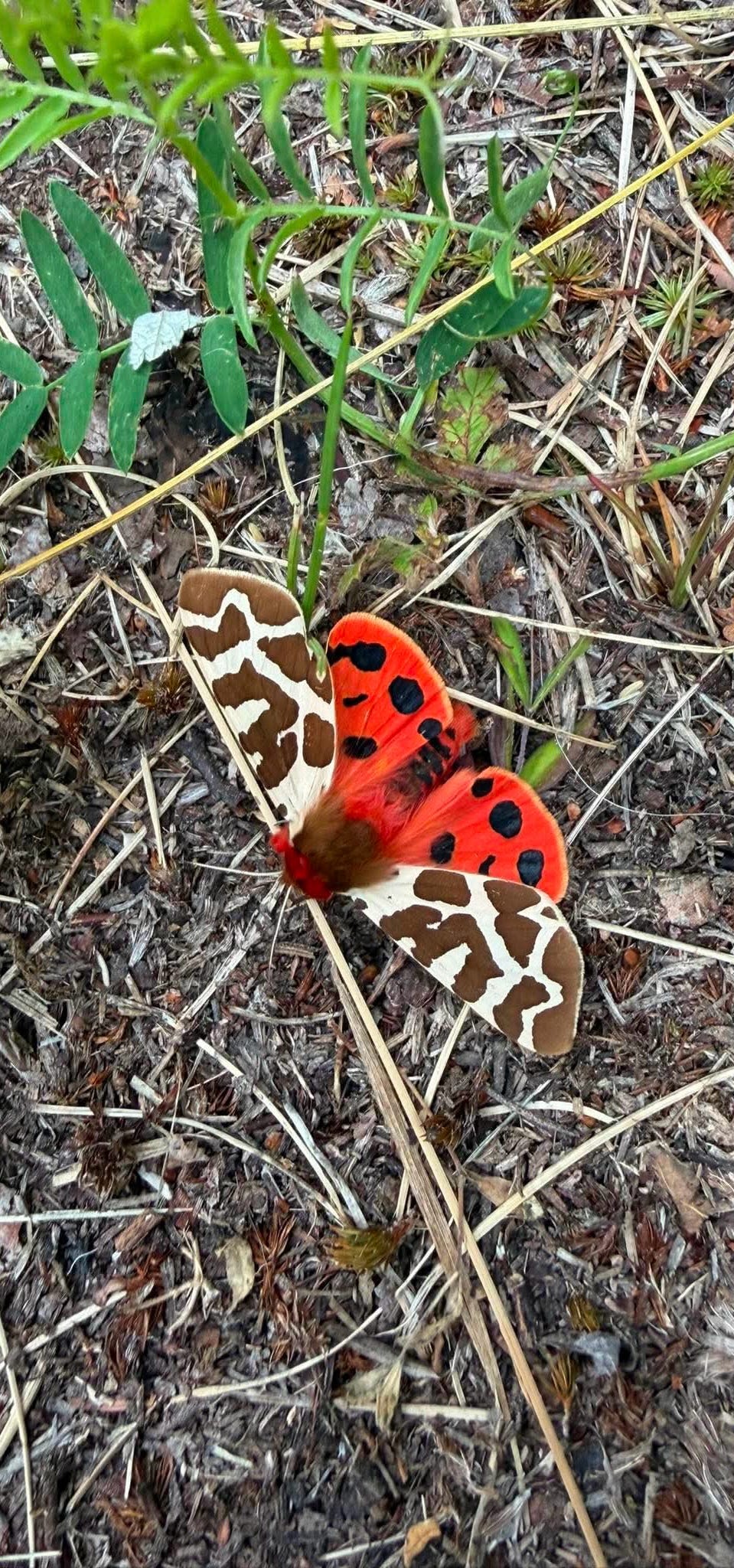
^ Great Tiger Moth in Fairbanks, Alaska. Photo by Alison Buckingham
The best way to tell the difference between a butterfly and moth is by the antennae. Most butterflies have club-shaped antennae with a little ball at the end, while moths’ are usually feathery, saw-shaped or taper to a fine point.
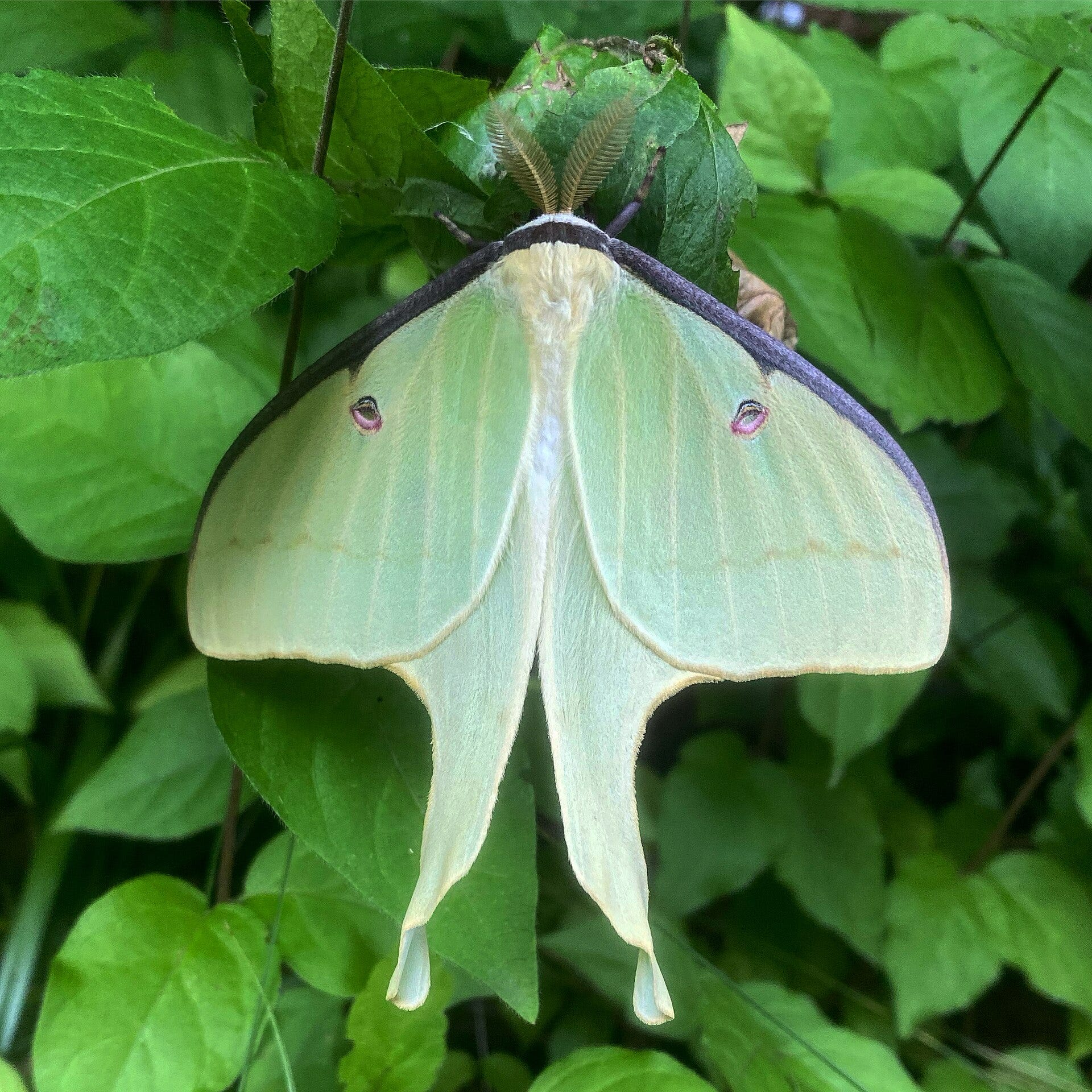
^ Luna Moth, Indiana. Photo by Abigail Staffelbach
The stunning Luna Moth with elongated tails on its hind wings is a lovely example of those feathery antennae. Also, it never eats and has no mouth. After it emerges from its cocoon, it lives for about a week. Its sole mission in life is to mate and lay eggs.
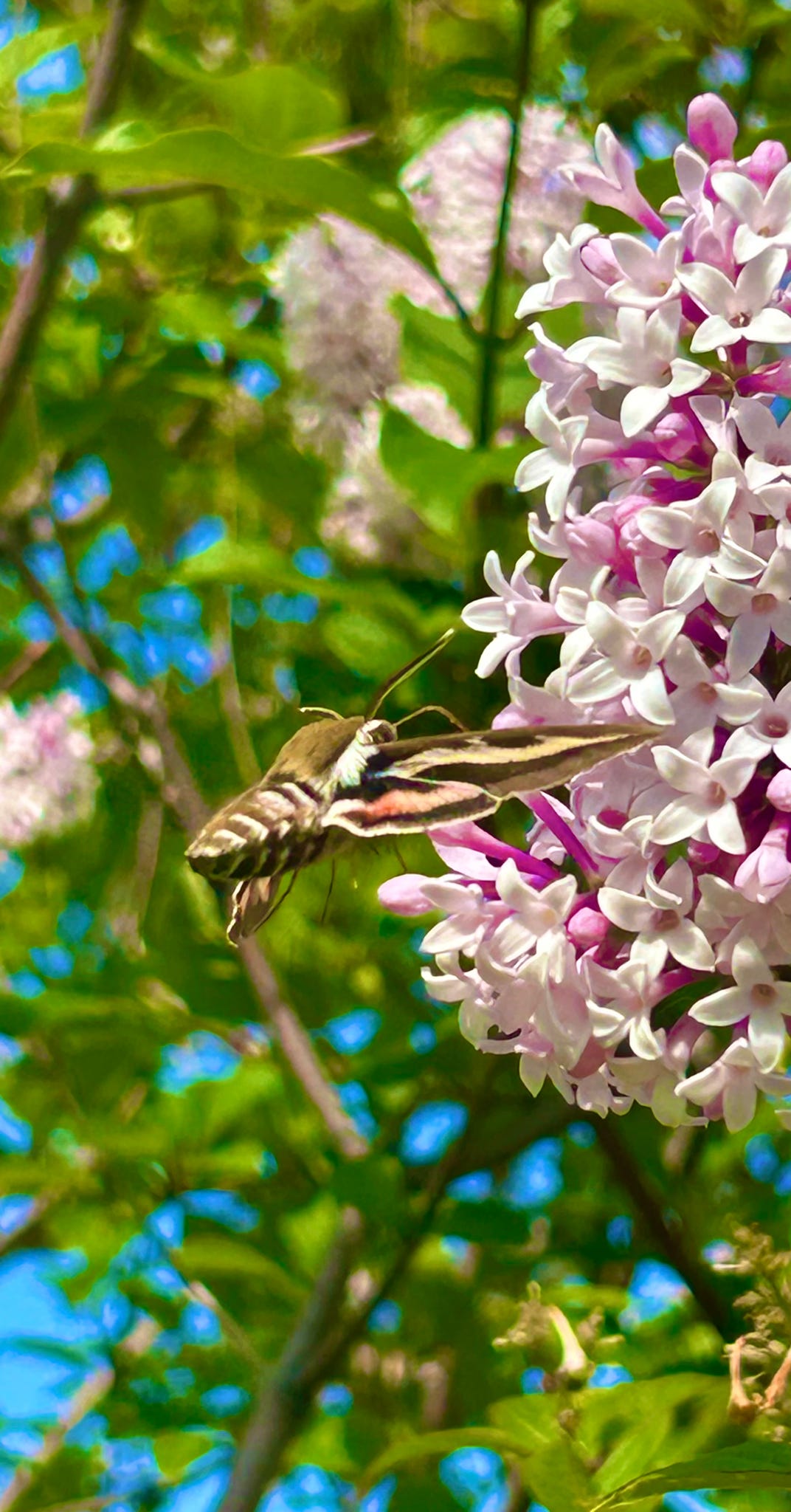
^ Hummingbird Moth in Fairbanks, Alaska. Photo by my friend, Tami Manning
A male moth can smell a female more than seven miles away! Male moths can be expert sniffers and they detect odor molecules using their antennae instead of through nostrils. Female moths produce scents called pheromones to attract males and the males use their antennae to pick up this scent. This is why the antennae of many male moths are feathered as it increases their surface area and makes them more sensitive.
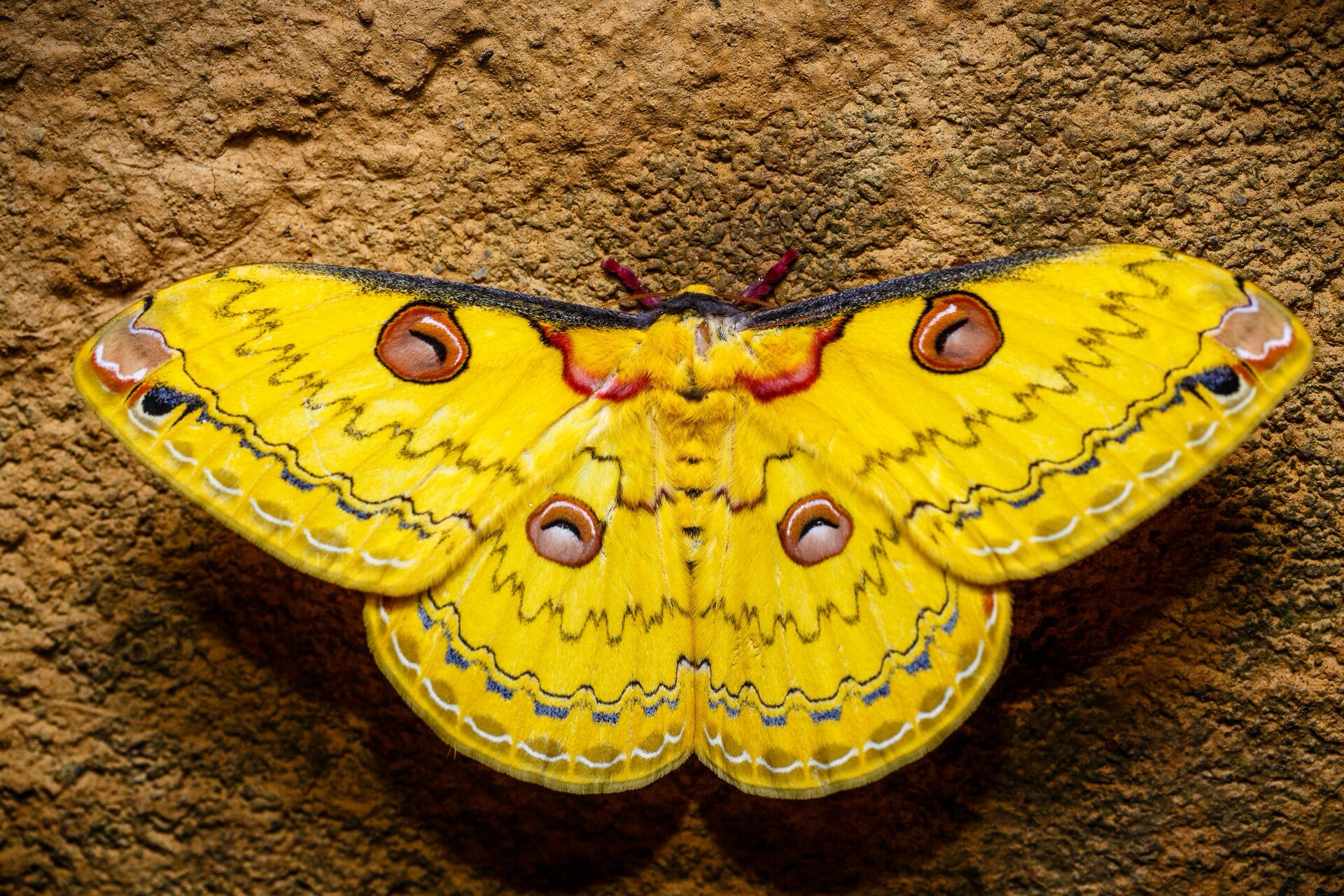
^ Golden Emperor Moth, India. Photo by Stalinsms
“A beautiful moth... She sprang to her feet to follow it - not in the spirit of the hunter, but of the lover.” -George MacDonald
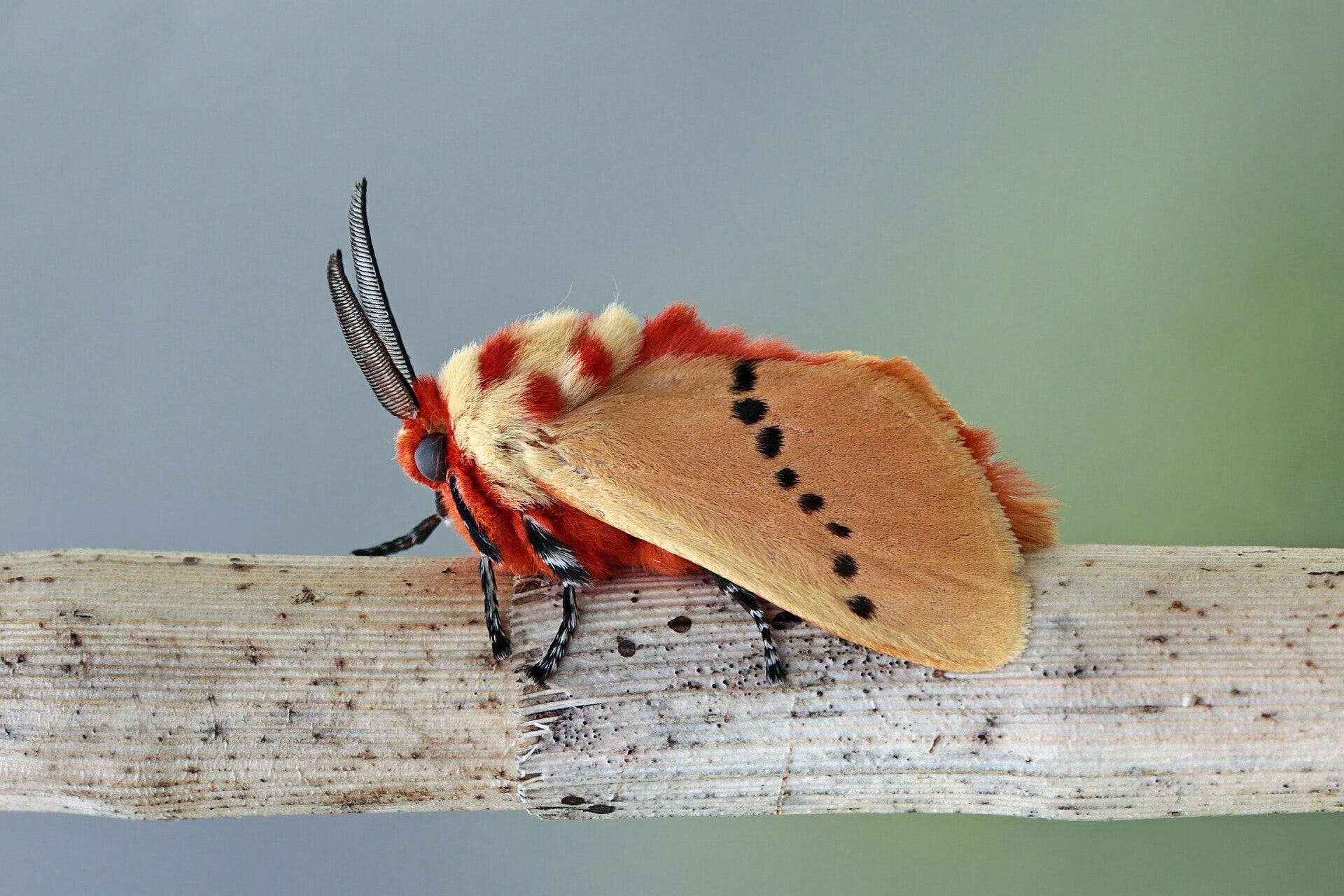
^ Rosy ermine moth, Panama. Photo by Charles J. Sharp
“They had come out of the night, with all their powdery fragility and found me…their delicate winged emanations speaking urgently of the dark, of the earth, of all it is we cannot see.” -Sarah Gillespie
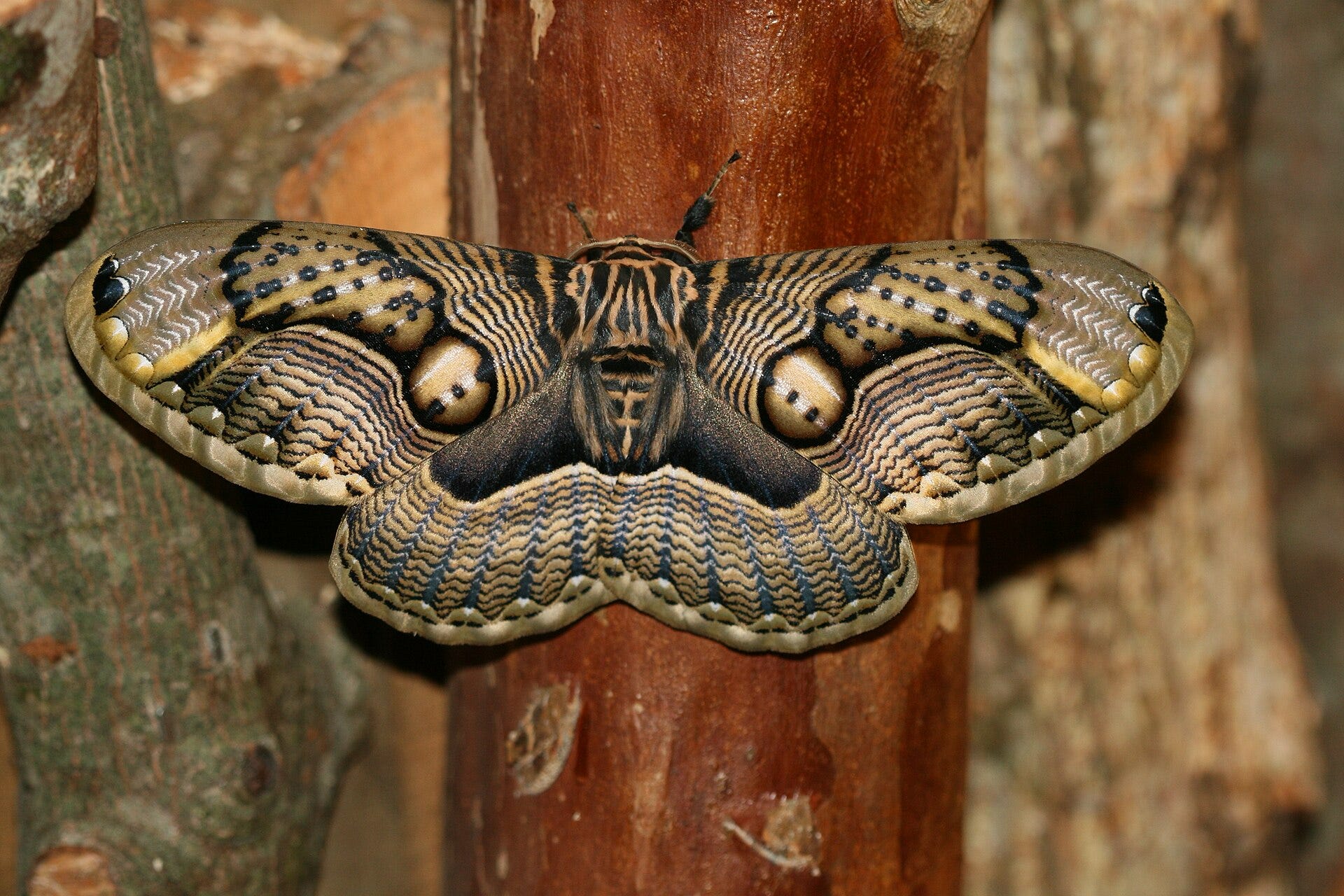
^ Brahmeid Moth, Taiwan. Photo by Arthur Chapman
Like so many other insects, these enchanted creatures are endangered. Since 1914 there have been around 62 moth extinctions in Britain alone. The main cause is habitat loss, the result of intensive farming and commercial forestry. Other factors like light pollution, garden pesticides and climate change also play a part.
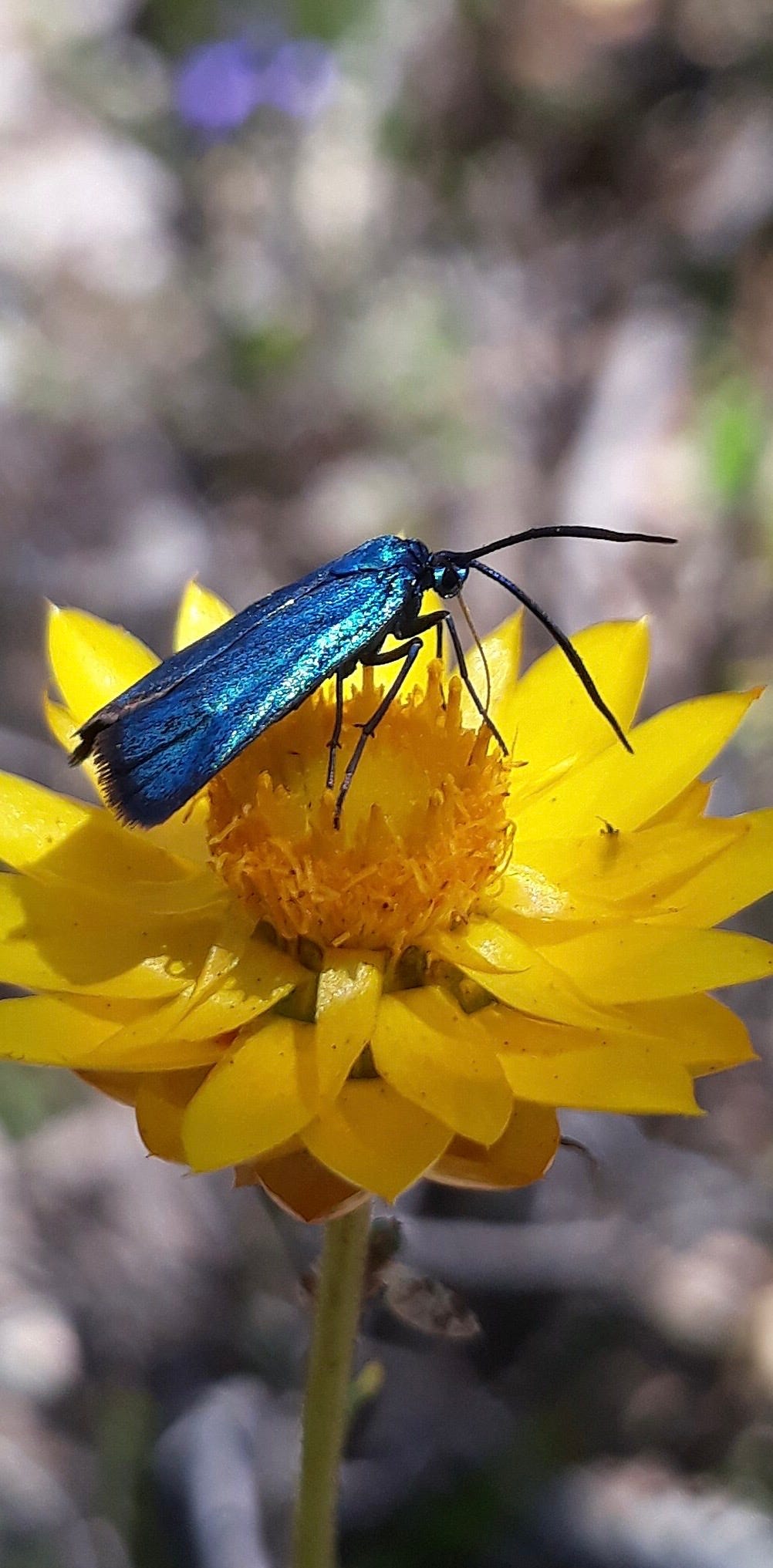
^ Iridescent Forester Moth, Victoria, British Columbia, Canada. Photo by Matt Brooks
“Watching him, it seemed as if a fibre, very thin but pure, of the enormous energy of the world had been thrust into his frail and diminutive body.“ -Virginia Woolf, “The Death of the Moth.”
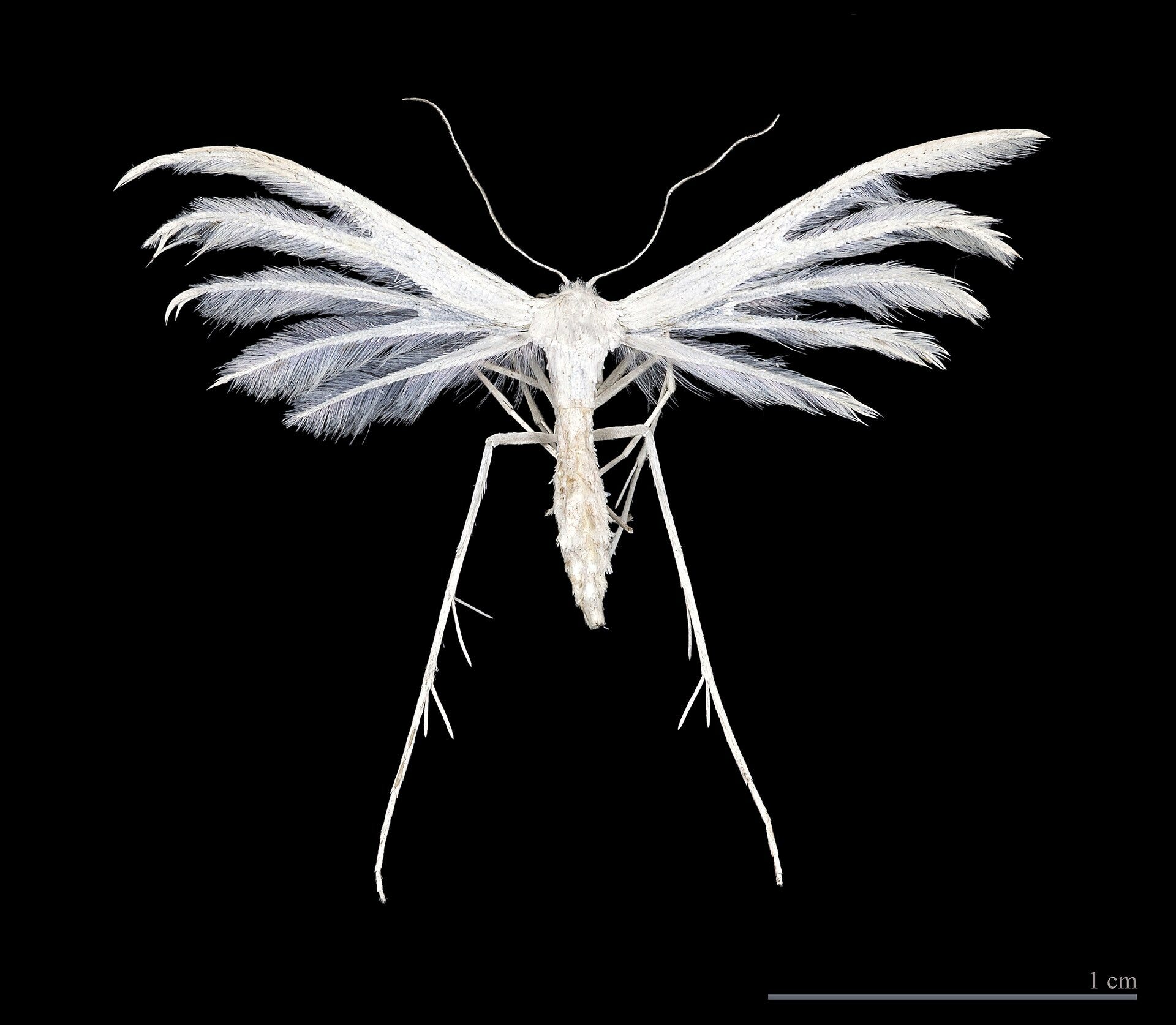
^ White Plume moth, France. Photo by Didier Descouens
I’m glad I didn’t inherit my Mom’s fear of these evanescent beauties. I wanted to showcase their goodness today because:
“They inhabit our nights, they play a crucial role in ecosystems as pollinators, recyclers and food for birds and bats, yet they are so often overlooked, misunderstood and unloved.” -Sarah Gillespie
…and because it’s so important to practice random acts of wonder.
“Our goal should be to live life in radical amazement… to get up in the morning and look at the world in a way that takes nothing for granted. Everything is phenomenal; everything is incredible; never treat life casually. To be spiritual is to be amazed.” - Abraham Joshua Heschel
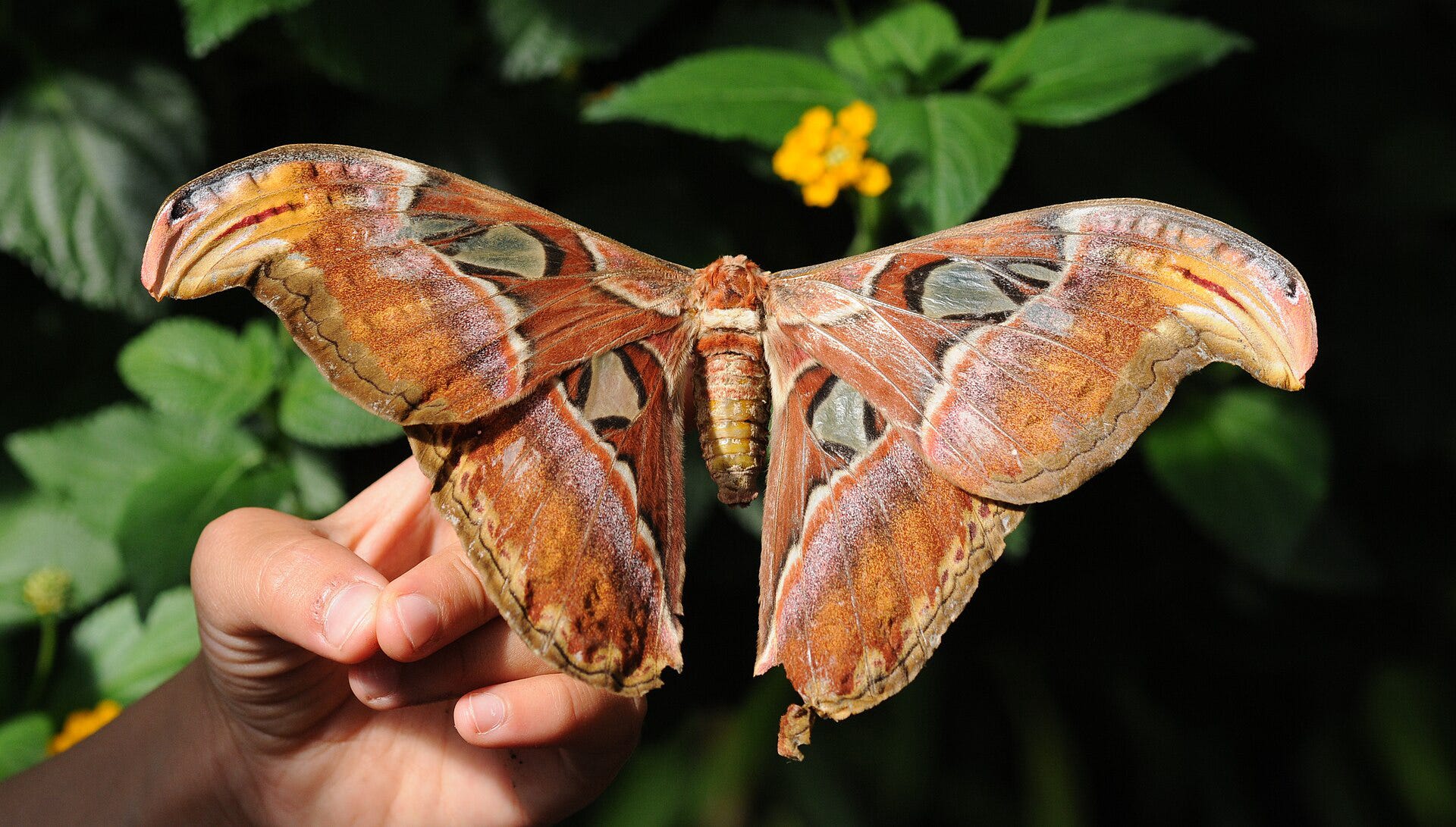
^ The Atlas Moth, of Southeast Asia, is considered the largest insect in the world and has a wingspan of nearly a foot (30 cms)! [Photo by Thomas Bresson]
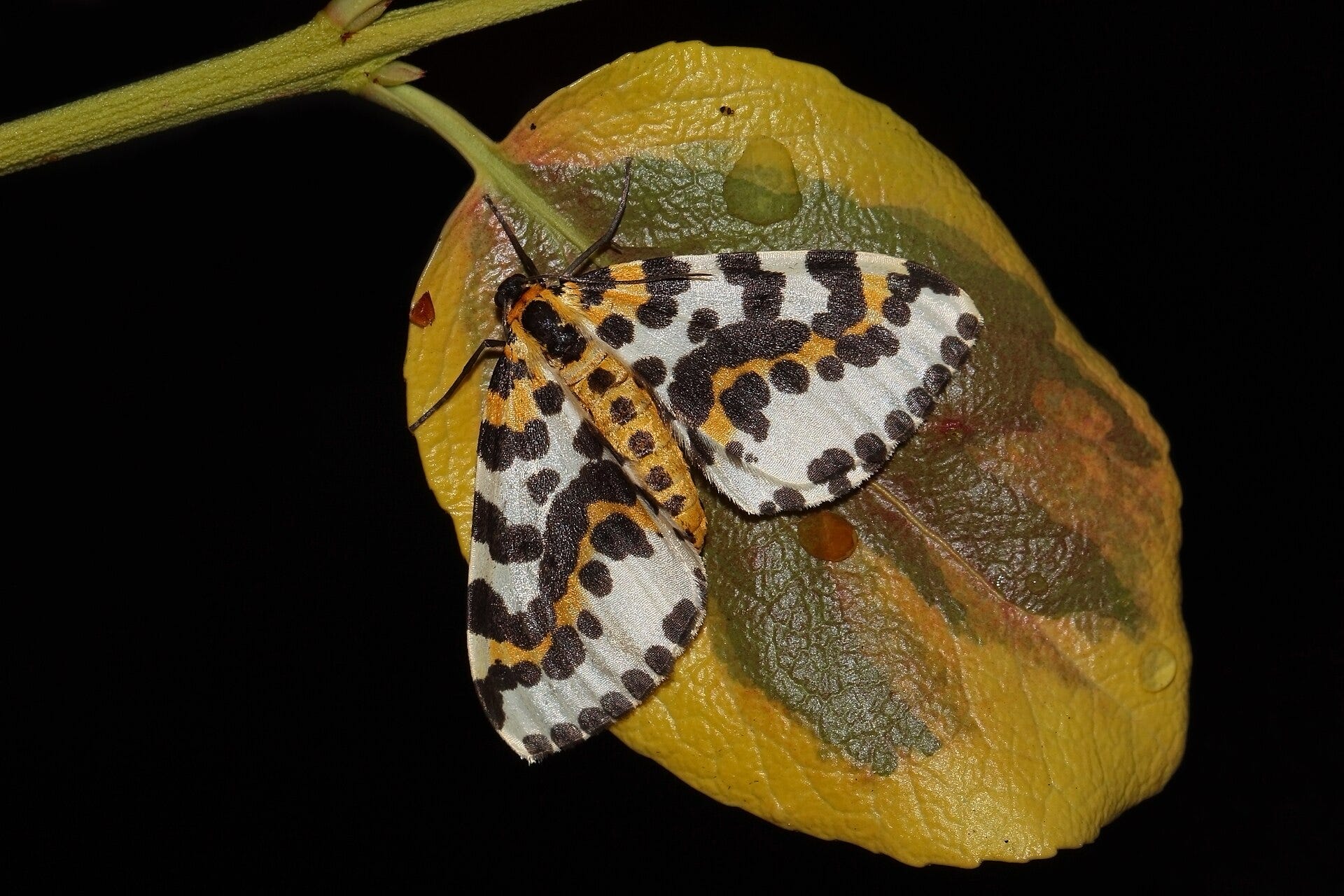
^ Magpie Moth, Oxford. Photo by Charles J. Sharp
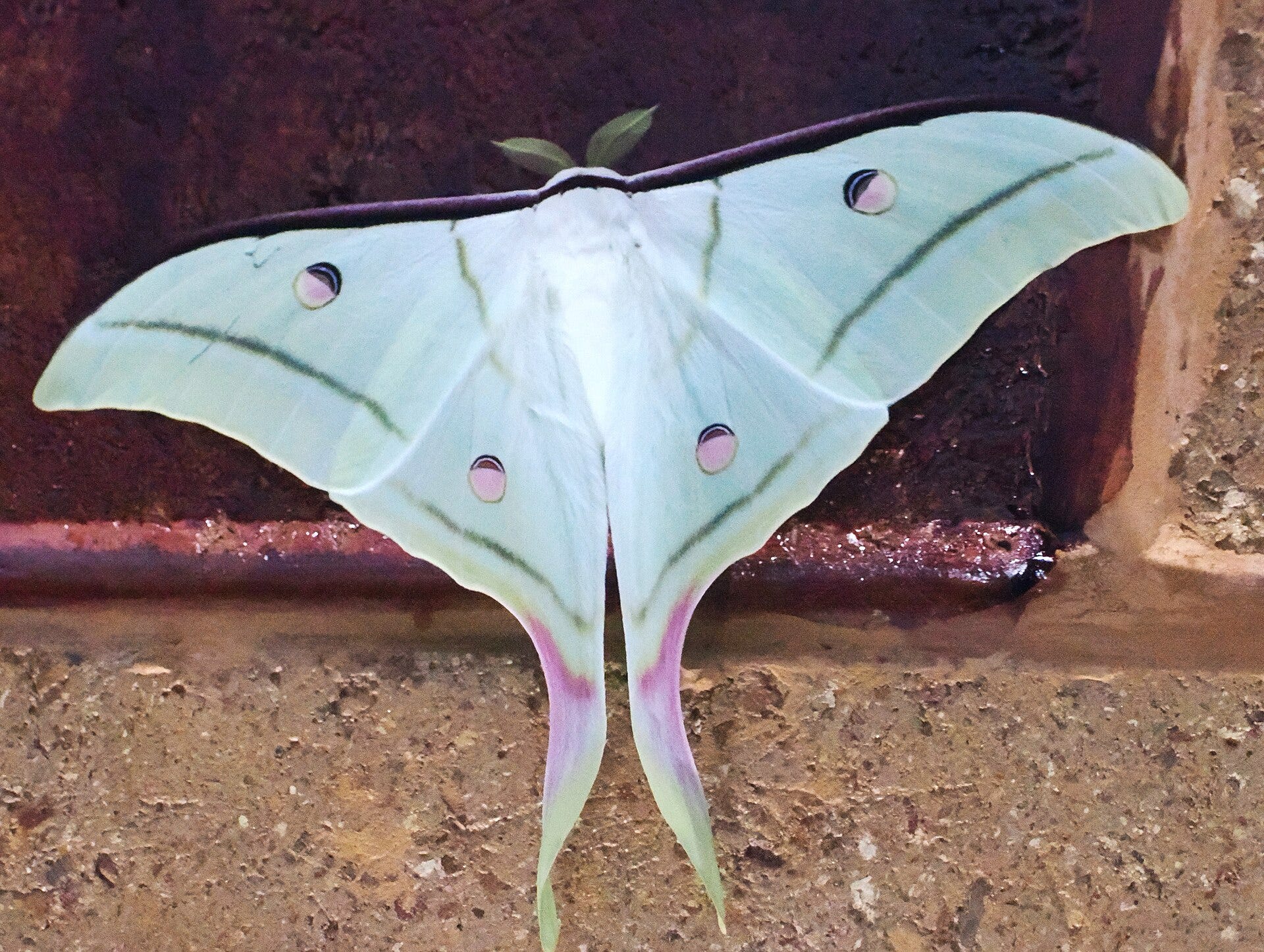
^ Unknown species, Kerala, India. Photo by Tonynirappathu
“Between our birth and death we may touch understanding as a moth brushes a window with its wing.” -Christopher Fry, English poet and playwright
The Sunset moth is my all time fave beastie on the planet now with the Golden Emperor a solid second place. They are absolutely gorgeous.
Thank you for the delight.
;o))
peace and love
Great post Mel!
I well remember the hummingbird moths in Fairbanks. So fascinating! But I don’t recall seeing a Tiger Moth. Here in central Florida we have hummingbirds, (which make me feel that I live in a fairy garden) and lovely HUGE butterflies.
I haven’t explored the moth population yet as I go to bed too early. 😆 (I’m old)
Cicadas are ever present in the summer months. They make such a din but come with many seasonal delights so I can’t complain. However, up close, “Here there be monsters”…. I will see if I can share a picture Steve took:
https://photos.app.goo.gl/ZYnn1PpavqzkqoqXA